Rural Roots Sunday - Housing should fit the surrounding land uses
Development should not occur at the expense of natural lands and the heart of the rural community

"…The Rural Area is valued in our community for its aesthetic and cultural significance, as well as the economic and educational opportunities that agriculture provides. Our commitment to maintaining the Rural Area is clear and codified in core planning documents…" Elk Grove General Plan, December 2025.
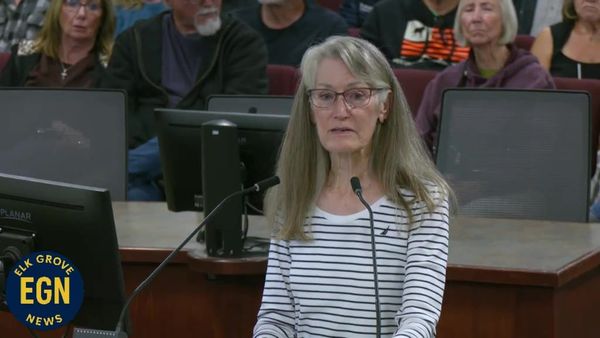
Over 10 years ago, my husband and I drove through the rural parts of Elk Grove after looking at several homes in the suburban neighborhoods. Being in Rural Elk Grove gave us a glimpse of a “what if” life we might be able to have in the future. Surrounded by trees, we opened our windows, breathed in the fresh air, and imagined driving home to one of these properties.
We saw open fields, farm animals, and views of an expansive skyline. We pictured our future children running and playing in the ample spaces surrounding these homes. We imagined growing a large garden that could feed not only our family but could provide abundance to share with the food bank, community pantries, and friends. We talked about having chickens, bees, and maybe even goats!
What would it be like to live in a place where we could embody our home and surrounding space as active participants in the natural world? And as our parents aged, it would give us more flexibility to have them live with us, if needed. We would have breathing room, rather than a home where our neighbor’s house is quite literally within arm’s reach of our own.
We knew we didn’t want to live somewhere so far from a town or city that getting to a restaurant, movie theater, doctor’s oƯice, or bookstore was a half-day excursion. Elk Grove seemed like the perfect blend of both worlds. The future possibility of living a rural lifestyle while being so close to a diverse suburban city with all the features that come with that, was a big part of why we decided to move here from Sacramento.
Our finances didn’t allow us to move into a rural home and property right away. So, we moved into an older, modest home on a small lot in a suburban neighborhood, closer to the “center” of town.
A few years later we had a child. He is an outdoor kid, through and through. As soon as our son could form sentences, he informed us that he wanted to “live at camping.” Our camping trips are the times he is the freest in his spirit. He loves being out in nature, finding bugs and animals, digging in the dirt, climbing in trees, and creating works of art and architecture from natural materials he finds. Over the years, we’ve continued to make plans for and incrementally work towards a future where that suburban-adjacent rural life can become a reality for us.
We completely agree that there is a significant need for more housing in Elk Grove. We believe housing should meet the needs of all community members, be affordable, and fit with the surrounding land uses. Development should not occur at the expense of natural lands and the heart of the rural community. Especially when there are other, more appropriate development locations available for the housing our growing city needs.
We hope that Rural Elk Grove will stay rural—both for the people who live there now, and also for the families, like us, who see it as a possible part of their own futures.
Ellen, Rural Elk Grove resident