Elk Grove to Decide on SacRT Light Rail Extension Plan in April - Unfunded Billion Dollar Aspirational Project Still Years Away
City Council vote would signal whether to pursue rail or bus rapid transit, not approve construction of a long-discussed billion-dollar expansion
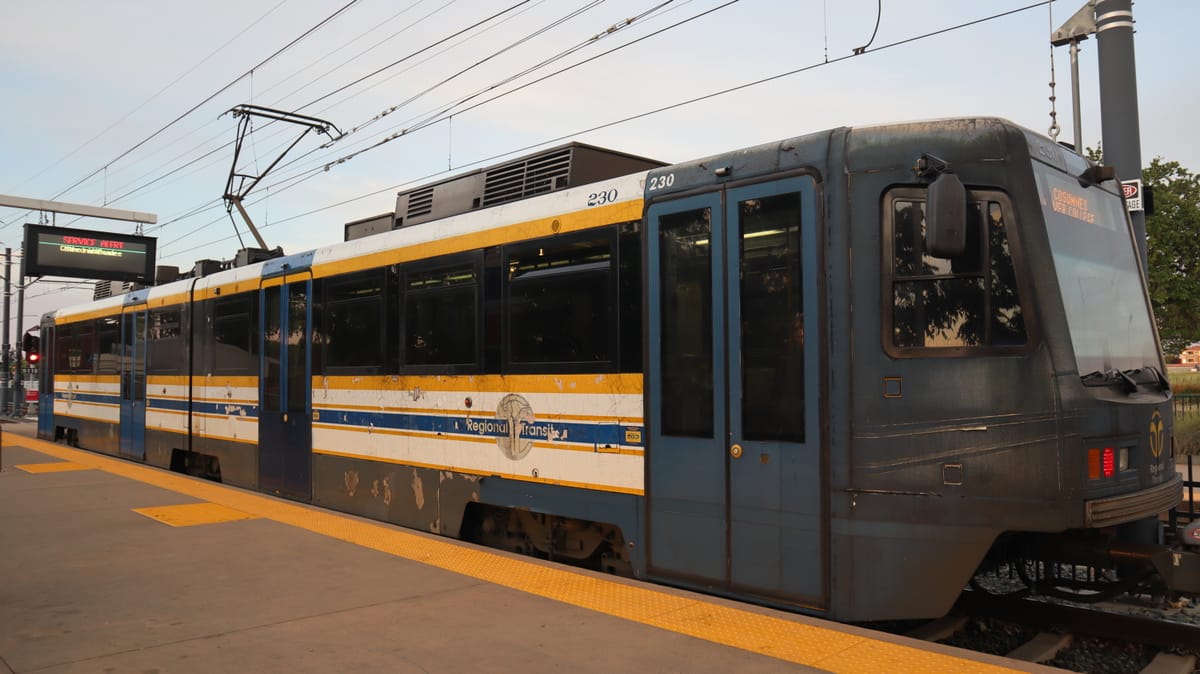
The Elk Grove City Council is expected to decide in April whether to continue pursuing an extension of Sacramento Regional Transit’s light rail system, but the looming vote will not mean trains are coming to the city anytime soon.
Instead, Mayor Bobbie Singh-Allen and her city council are politically positioning themselves during an election year in the face of growing resident gripes about unsafe roads and growing traffic congestion, giving the appearance that they are addressing concerns, achievable or not.
The current phase is a feasibility and planning effort for aspirational purposes, not a construction decision. Even if the council endorses a preferred alternative, the action would not approve building the system or secure funding.
According to the city’s published project timeline, the council is expected to act in April following a public comment period that runs through March 30. Elk Grove typically holds council meetings on the second and fourth Wednesdays of each month.
The plan outlines several transit alternatives, including a full light rail extension of roughly 6.7 miles from the Cosumnes River College station to Kammerer Road in southern Elk Grove. That option, identified as a leading candidate in city materials, would add multiple stations and provide a one-seat ride into Sacramento’s regional transit system.
A bus rapid transit alternative — featuring dedicated lanes and enhanced bus service — is also under consideration as a lower-cost option.
City analyses show the light rail alternative would generate the highest ridership and reduce vehicle travel more than other options. However, it also carries a significantly higher price tag.
Planning documents estimate the light rail extension could cost about $1.06 billion in base-year dollars, compared with roughly $287 million for the bus rapid transit option. Annual operating costs for light rail are also projected to be substantially higher.
Despite the scale of those figures, no construction funding has been secured.
The current effort is funded by a roughly $530,000 planning grant and local match. Larger funding sources — including federal transit grants, potential state funding, and a future regional or local sales tax (see pages 15, 16 of report) — are identified as possibilities.
City documents outline a lengthy process that would follow any council decision, including environmental review, design, land acquisition, and competitive applications for federal funding. That process alone could take years before construction begins.
Even under optimistic scenarios, any completed project could be about a decade away.
Elk Grove has preserved potential transit corridors in its long-term planning and encouraged development near possible station locations, signaling sustained interest in expanding regional transit access. Still, the upcoming council vote represents a policy direction rather than a final green light.
In practical terms, the decision before the council is whether to keep pursuing high-capacity transit — and which form it should take — not whether to build it now.
For residents hoping for near-term rail service, the message is clear: the project remains a long-term vision that will depend on federal funding, approvals, and regional cooperation.