Elk Grove Street Parking Dispute Highlights a Larger Truth About Suburban Civic Engagement
Through it all, the collection of elected officials who created the problems keeps getting elected based mostly on the sweetheart cash contributions and backroom deals from businesses' interests who want to keep them in office
For many suburban residents, local government is something that exists quietly in the background—until it doesn't.
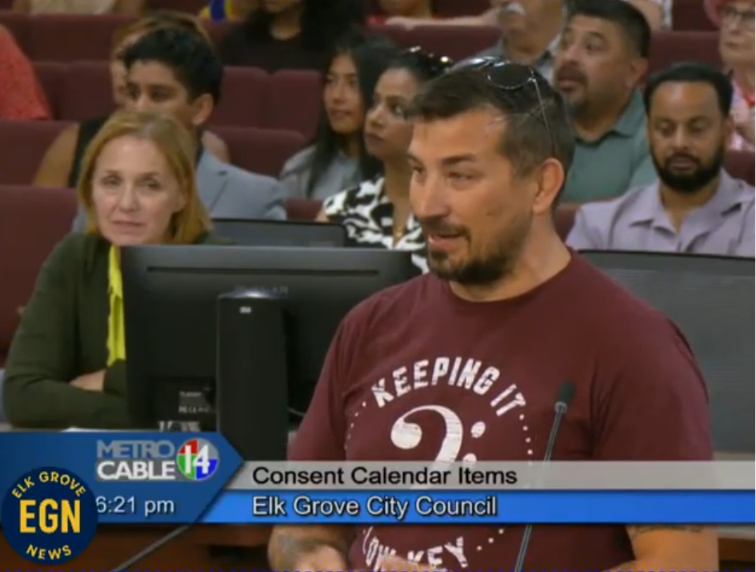
Last Wednesday night, that reality played out at the Elk Grove City Council meeting when a Triplefin Way resident urged city council members to approve a preferential parking permit zone for his neighborhood, describing months of frustration from overflow parking associated with activities at Oasis Park and the nearby Cosumnes River College – Elk Grove Center.
"I've been in direct contact with Mr. Brewer for a hot minute now," the constituent told the council, referring to District 2 Councilmember Rod Brewer. He described blocked driveways, displaced trash cans, threats against neighbors over parking citations, and streets overwhelmed during soccer, tennis, and pickleball events.
"We really just want to try to get parking back over here," the resident said, noting that even hosting family gatherings had become difficult because visitors could not find places to park.
His concerns were hardly unique.
According to the city staff report, residents on Triplefin Way and neighboring Tagus Way gathered signatures from more than 75 percent of households—meeting the threshold established under the city's 2014 preferential parking ordinance. City staff confirmed the neighborhood was experiencing persistent parking shortages caused by non-residents using nearby streets instead of designated parking areas at Oasis Park.
Staff recommended creating permit-only parking on both streets at all hours, concluding it was the most effective solution.
There is nothing remarkable about neighbors organizing to solve an immediate problem. In fact, that is exactly how representative government is supposed to work.
What is more interesting is what usually happens next.
If history is any guide, once the permit signs are installed and neighborhood parking returns to normal, most of these residents will probably disappear from City Hall. Council meetings will once again be attended primarily by the familiar collection of activists, gadflies, lobbyists, developers, consultants and the occasional resident facing a crisis.
That pattern isn't unique to Elk Grove. It is a hallmark of suburban politics.
Most people understandably prioritize family, careers, children's sports and everyday responsibilities. Local government receives attention only when its decisions begin to affect daily life—a blocked driveway, excessive noise, dangerous traffic, or a proposed apartment complex nearby.
The challenge is that many of the policies producing tomorrow's frustrations are adopted years earlier, often before anyone realizes their long-term consequences.
Traffic congestion offers perhaps the best example.
A subdivision approved today may not generate noticeable congestion for five or ten years. Environmental documents may acknowledge unavoidable transportation impacts - think overriding considerations - yet few residents monitor those hearings because nothing has changed outside their front door—yet.
By the time morning commutes lengthen, or intersections become chronically congested, the policy decisions that created those conditions have already been made. Reversing them becomes expensive, politically difficult, or practically impossible.
That does not diminish the legitimacy of the speaker's concerns (see video below). Quite the opposite.
Citizens should expect government to respond when neighborhoods face documented quality-of-life problems, and in this case city staff found sufficient evidence and overwhelming neighborhood support to recommend action.
The broader question is whether civic engagement should begin only after a problem arrives at one's driveway—or whether more residents might occasionally pay attention before today's routine council agenda becomes tomorrow's neighborhood headache.
Through it all, the collection of elected officials who created the problems keeps getting elected, based mostly on hefty cash contributions that limit access to viable candidates and shady backroom deals from business interests that want to keep them in office. They have created their own "sustainable" eco-system.
In local government, the most consequential decisions are often the ones that seem least consequential at the time. By the time they become personal, they are often permanent.