Elk Grove City Council Prioritizes Youth Center for Vacant Taxpayer-Owned Buildings
City staff initially recommended studying six potential uses

The Elk Grove City Council has identified a new teen and youth center as its top priority for repurposing two taxpayer-owned buildings on Elk Grove Boulevard, following months of public outreach that generated thousands of suggestions.
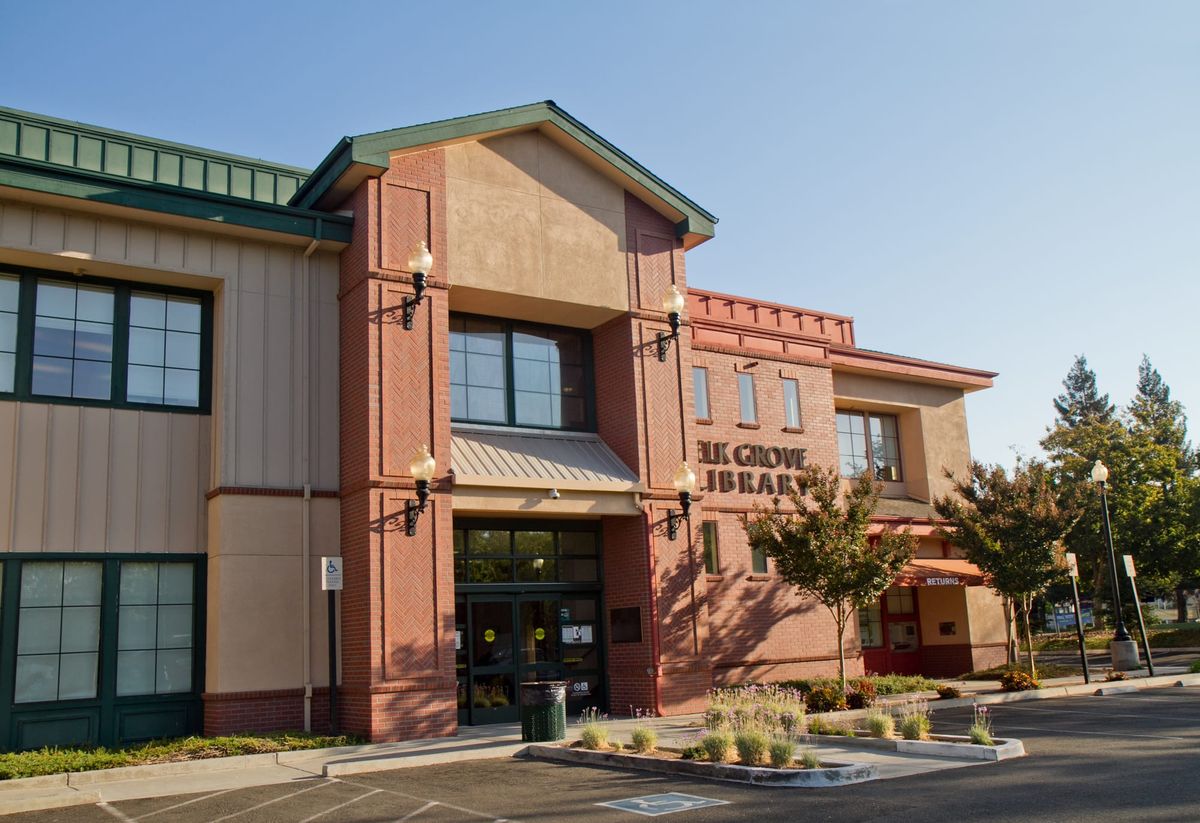
During its Wednesday, Oct. 28, meeting, the council reviewed potential uses for the former Elk Grove Library at 8900 Elk Grove Blvd. and the former Teen Center USA facility at 8978 Elk Grove Blvd. The buildings became available after the library relocated and the teen center's lease expired.
The former library covers about 13,875 square feet across two floors and includes 45 parking spaces. The former teen center is a 2,808-square-foot, single-story building requiring significant maintenance and renovations.
Assistant City Manager Jaqui Guzmán and Senior Management Analyst Aishwarya Kumar presented findings from community engagement conducted between April and September.
The outreach generated approximately 700 contributions and 3,478 written ideas through youth workshops, public meetings, focus groups, social media and an online survey.
Youth programming emerged as a leading priority, along with creative arts, music, digital media, affordable meeting spaces for nonprofit organizations, educational programs and community resources.
Guzmán emphasized the importance of determining which proposals could realistically be accommodated in the buildings.
"We know the parking constraints at both buildings really limit some of those uses that were proposed," Guzmán told the council.
City staff initially recommended studying six potential uses, including a community kitchen and cafe offering culinary education and workforce training.
Councilmember Kevin Spease questioned whether the kitchen proposal justified its anticipated expense, particularly given the buildings' limited space.
"I think it's expensive and probably utilized by few people," Spease said.
Councilmember Sergio Robles acknowledged those concerns but suggested the kitchen could provide valuable training opportunities.
"I think it's a good opportunity," Robles said, describing potential culinary instruction for young people and residents with specialized needs.
Council members ultimately agreed to eliminate the kitchen and cafe from further consideration at the two properties.
The discussion also addressed federal Community Development Block Grant restrictions affecting the former teen center, which the city acquired in 2005 using federal funding.
Removing those restrictions would require reimbursing the grant program approximately 75% of the property's fair market value. Officials clarified that the repayment would remain available locally for eligible programs.
The council concluded by directing staff to prioritize three uses in a feasibility study: a teen and youth center, a creative arts, music and digital media center, and community meeting and co-working space for nonprofits.
Community learning and resource services could be incorporated into those uses rather than developed as separate facilities.
Staff will examine renovation costs, operational feasibility, funding, and potential management partnerships while beginning the process of removing the former teen center's federal grant restrictions. A final decision on the buildings' uses will follow the feasibility study.