Elk Grove State of the City attire suggestion raises questions about inclusivity
The tone and presentation of the event — including suggestions about attire — can shape perceptions of the intended audience
An Elk Grove New reader who closely watches the City of Elk Grove's social media posts noticed a simple line in a post promoting today's State of the City address, and it may signal who the event is really meant for.
In announcing the annual address by Mayor Bobbie Singh-Allen at District56, the City of Elk Grove said the event is free and open to the public, but added that “business attire is encouraged.”
While the suggestion carries no legal weight and city officials cannot turn anyone away based on clothing, you must question if the messaging subtly caters to a more polished, business-oriented audience — and whether others may feel less welcome.
Events like the State of the City address have traditionally drawn local business leaders, civic organizations, and chamber-of-commerce types. In prior years, such events were closely tied to local business groups that sponsored and profited from them.
That practice changed following guidance from California Attorney General Rob Bonta, who said such events must be open to the public and cannot be restricted through paid access.
Since then, cities, including Elk Grove, have shifted to publicly accessible formats. Still, the tone and presentation of the event — including suggestions about attire — can shape perceptions of who the intended audience is.
Encouraging business attire, even informally, can act as a “soft barrier,” signaling that the event is geared toward professionals, stakeholders, and insiders rather than everyday residents. That perception may discourage participation from students, blue-collar workers, farm workers, restaurant employees, and others who may not feel they fit the expected image of the room — even if no one is explicitly excluded.
Public agencies can suggest attire for ceremonial events, particularly those that are not formal meetings governed by open meeting laws such as the Ralph M. Brown Act, and by all appearances, this does not appear to be an official meeting of the Elk Grove City Council. However, that inclusivity is not only about legal access, but also about how welcome people feel.
The result, they say, can be a “chilling effect,” where individuals opt out before ever arriving. So much for being an open and inclusive community.
City officials have framed the event as a communitywide opportunity to hear about Elk Grove’s accomplishments and future priorities. The messaging reflects a more curated, promotional setting — one aligned with business community expectations and the city’s public image.
In that sense, the attire suggestion may be less about enforcement and more about presentation.
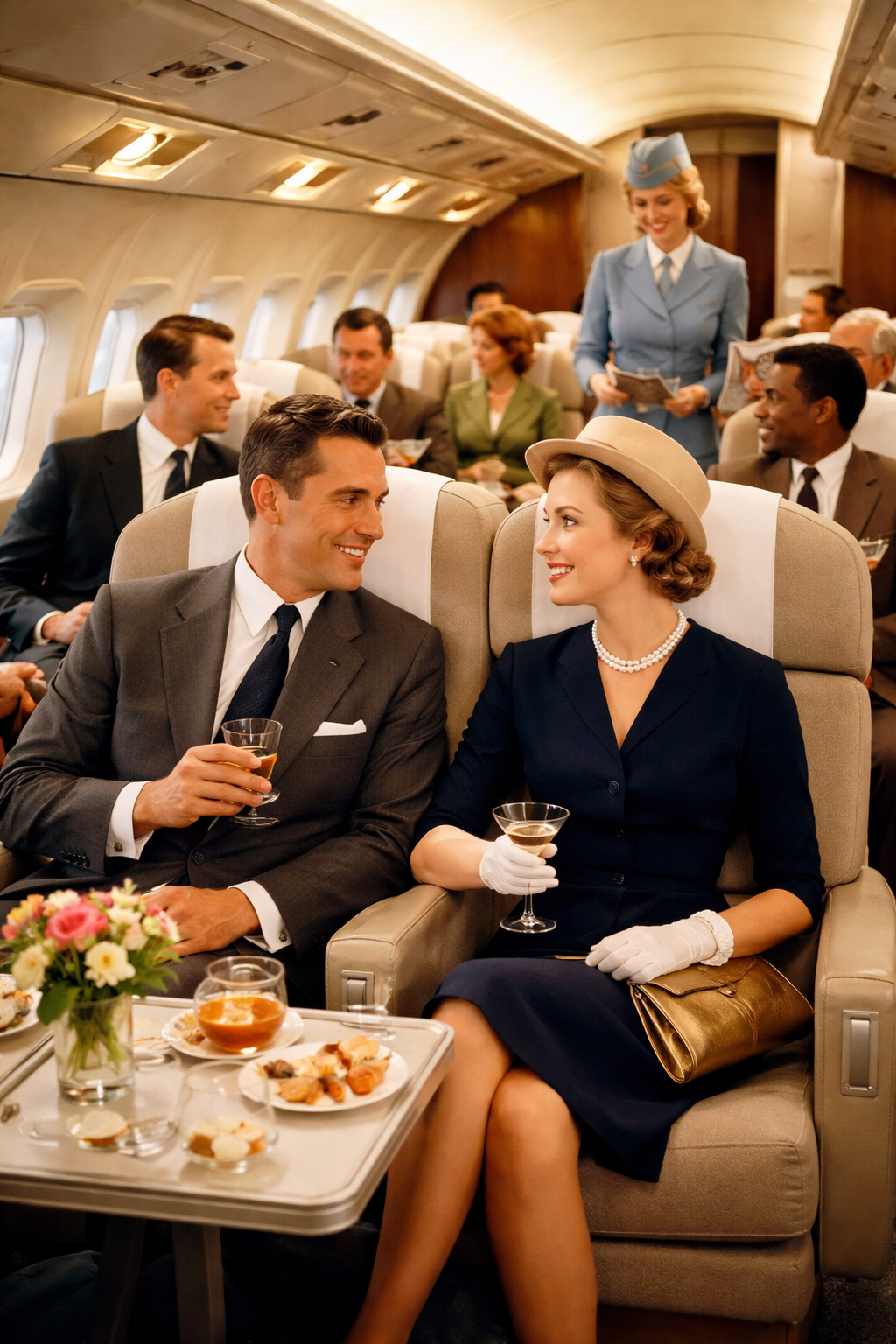
For some, the tone evokes an earlier era of public life, when expectations of formality shaped who showed up and who stayed away. In the mid-20th century, airline passengers were often socially pressured to dress in suits or formal wear — a norm that conveyed status, but not necessarily openness.
This comparison underscores a broader concern - even well-intentioned cues can signal that public events are most comfortable for those who know how to “play the part,” rather than for everyone the city says it hopes to reach.