Residents raise civil liberty concerns over Elk Grove's Flock surveillance contract extension, no-bid process
“It is reckless to increase surveillance during this era of expanding authoritarianism"
Residents voiced strong opposition Wednesday to the Elk Grove City Council’s decision to extend its contract with Flock Safety without a competitive bidding process, citing civil liberties concerns, lack of transparency, and the city’s refusal to delay action pending a state audit.
During public comment at the April 8 council meeting's consent calendar hearing, multiple speakers urged officials to remove the item and instead open the contract to competitive bidding while awaiting an independent review by the California Department of Justice.
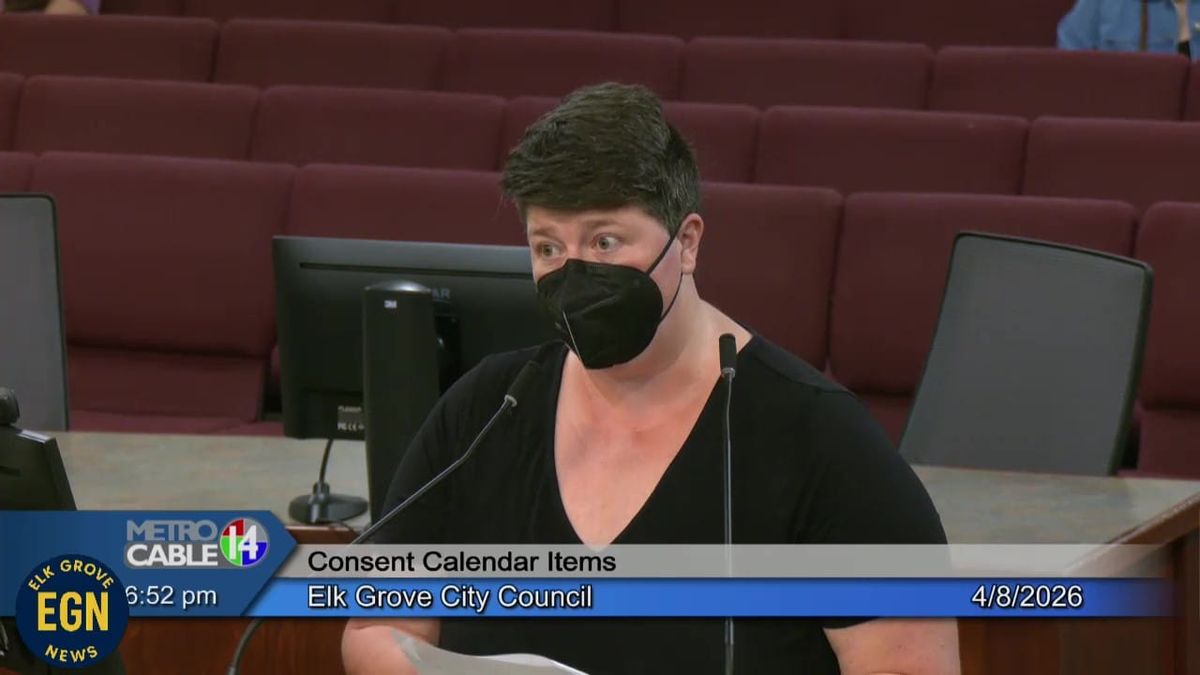
“Competitive bidding exists to protect the public, ensuring transparency, fairness, and the best value for taxpayer dollars,” said a resident identified as Ellen (see video below), who criticized the city for failing to provide market analysis or cost comparisons. “Waiving it without a clear evidence-based justification undermines those protections.”
Ellen also questioned the legality of relying on a “best interest” exemption, noting that the contract has been amended multiple times and expanded in scope, raising concerns that the city is effectively bypassing procurement safeguards.
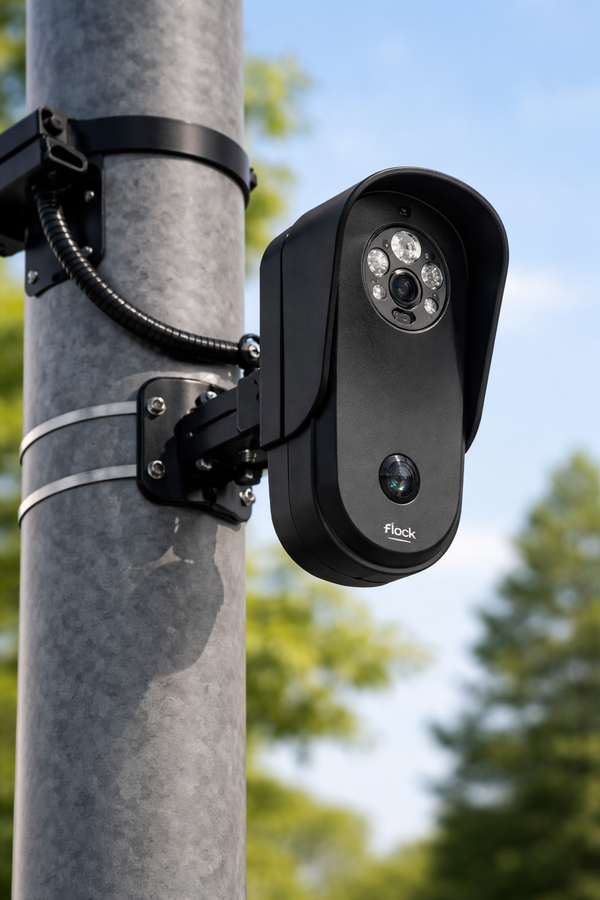
Other speakers focused on civil rights implications tied to automated license plate reader (ALPR) technology. Lindsey Halsell warned that expanding the system without independent oversight could expose residents to federal surveillance and data misuse.
“It is reckless to increase surveillance during this era of expanding authoritarianism,” Halsell said. “Surveillance does not make us safer, although it may provide the illusion of safety.”
Several residents echoed concerns that Flock’s national database could allow access by federal agencies, including Immigration and Customs Enforcement, potentially violating California law and eroding local control. Speakers repeatedly called on the city to delay the contract extension until after the DOJ completes an audit to verify that no unauthorized data sharing has occurred.
Additional commenters framed the issue as a broader constitutional question, warning that expanded surveillance infrastructure could infringe on individual rights and deepen mistrust in government.
Despite the criticism, Elk Grove Police Chief Bobby Davis defended the use of Flock technology, emphasizing its role in crime-solving and public safety.
“We utilize technology to ensure that all the residents of our community are safe,” Davis said, adding that the system has helped resolve assaults and homicides. “This is not a means for us to do any surveillance. It’s not a means for us to violate people’s rights.”
Davis also said the department does not share data with federal agencies and has implemented safeguards to protect local information.
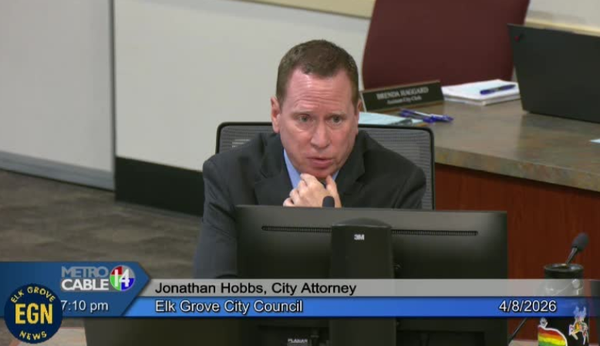
City Attorney Jonathan Hobbs supported the council’s authority to approve the contract without competitive bidding, stating that the decision falls within the council’s discretion.
“As a legislative act by the city council, you have broad discretion to decide whether or not to award the contract with or without a competitive process,” Hobbs said, adding that formal evidentiary findings are not required in such cases.
Mayor Singh-Allen moved forward with the consent calendar item, signaling continued support for the surveillance program despite mounting public opposition.
The movement against Flock in Elk Grove is being led by a group called Deflock Elk Grove,, which has launched an ongoing social media campaign challenging the use of the technology and raising concerns about privacy, civil rights and government accountability.