Rep. Josh Harder urges Army Corps of Engineers to deny permits for embattled Delta Tunnel project
Harder was joined by Democratic members of Sacramento-San Joaquin Delta Con
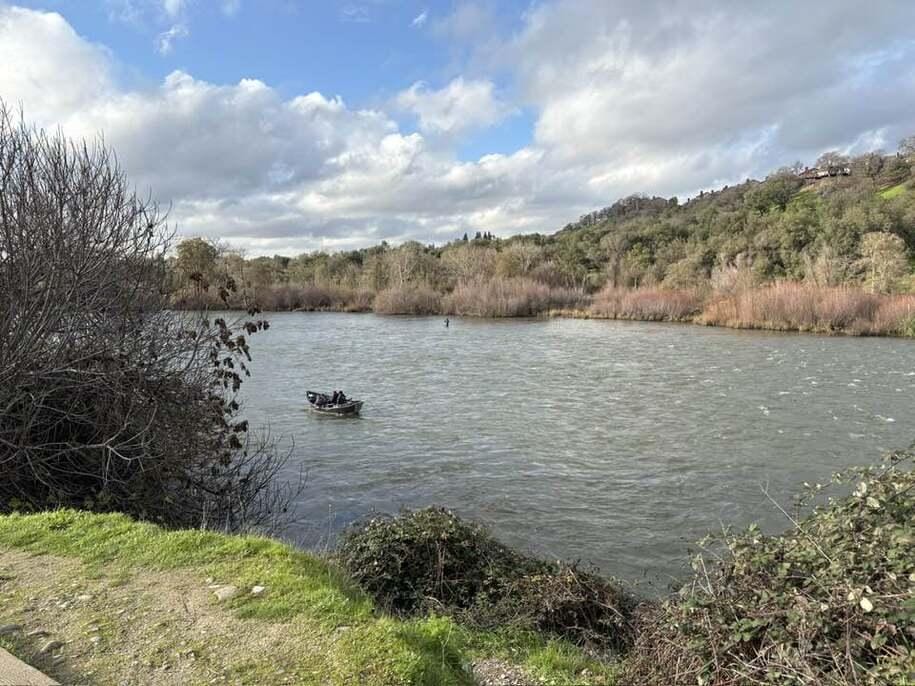
STOCKTON – As the U.S. Army Corps of Engineers considers making a decision on the embattled Delta Tunnel, Democratic Rep. Josh Harder (CA-09) called on the federal agency to deny the federal permits required for the project to be completed.
The potential approval comes for the Delta Conveyance Project at a time when the Sacramento-San Joaquin River Delta ecosystem is in its biggest-ever crisis as the Delta Smelt becomes virtually extinct in the wild and other Delta fish species and Central Valley salmon populations decline dramatically.
Joined by the Democratic members of Sacramento-San Joaquin Delta Congressional Delegation, including John Garamendi, Ami Bera, Mark DeSaunier and Doris Matsui, Harder led a letter urging the Army Corps’ final Record of Decision to protect Delta waterways, families, and the regional economy by denying these permits.
While Harder, the Delta Congressional Delegation, the Counties of Sacramento, San Joaquin, Yolo, Solano, Contra Costa Countries, the Delta California Legislative Caucus and numerous other elected officials oppose the Tunnel, Governor Gavin Newsom and the Department of Water Resources keep pushing the tunnel forward, claiming it is a “climate resilience” project.
The Delta Conveyance Project is a proposed 45-mile, single-bore tunnel that Newsom claims would “modernize” California's water infrastructure by diverting Sacramento River water beneath the Sacramento-San Joaquin Delta for export by San Joaquin Valley agribusiness interests and Southern California water agencies.
But if approved, the Delta Tunnel would be a disaster for the Delta and the California public, according to Harder.
“The Sacramento-San Joaquin Delta is the largest freshwater tidal estuary on the West Coast which supports irreplaceable agricultural lands, vital flood control infrastructure, and the livelihoods of millions of Californians,” the letter states. “The Delta Tunnel would permanently alter this ecosystem through the construction of massive new intakes on the Sacramento River, extensive tunneling in Delta communities, and over a decade of disruptive construction activity. Even with proposed mitigation, the Final EIS acknowledges that the Delta Tunnel Project would result in significant adverse impacts, including permanent degradation of Delta landscapes, conversion of important agricultural lands, and substantial impacts to aquatic resources and habitats.”
Harder further outlined the danger that the tunnel poses to the taxpayers, water ratepayers, Delta farms, Tribes and Delta region cities and communities.
First proposed more than 60 years ago, the Delta Tunnel is a “monstrous zombie project with ballooning costs, growing to at least $20 billion in 2024 and potentially as high as $100 billion last year, according to the latest analysis,” Harder wrote:
- “That doesn’t even factor in the devastating damages that Delta communities would face – Sacramento’s own findings revealed $167 million in damages to Delta agriculture, air quality, and infrastructure.
- “Even preliminary work on the Delta Tunnel would be extreme – massive trenches, boring holes up to 250 feet deep, and major installation projects would tear up dozens of sites across the Delta.”
“This isn’t just some water heist to ship our Delta water down south to Beverly Hills lawns - this is an existential threat to our waterways, regional economy, and our very way of life,” said Rep. Harder. “And for all that devastation, it wouldn’t create a single new drop of water for anyone. That’s why we’ve been fighting tooth and nail to permanently stop the Delta Tunnel, and today I’m calling on the Army Corps to deny the permits needed for this boondoggle to ever be completed.”
Harder said he has been “leading the charge in Washington to stop the Delta Tunnel devastation,” including the following:
- Harder has launched legislation to prohibit federal permits necessary for the project to be implemented.
- Last summer, Harder demanded a full audit of the project to ensure transparency for Delta communities that have been cut out of closed-door Sacramento decision-making.
- Harder has rallied Delta residents, local leaders, and agriculture communities in multiple town halls and a major demonstration at the State Capitol to press Sacramento to give in.
Delta advocates joined the Representatives in urging the Army Corps of Engineers to reject what they say is an environmentally destructive project.
“The proposed Delta Conveyance Project would have a direct, negative impact on environmental justice communities, Delta farms, commercial and recreational fishing, and Delta ecosystems,” said Morgen Snyder, Director of Policy and Programs, Restore the Delta. “The US Army Corps of Engineers relies heavily on DWR's incomplete EIR, which is currently subject to litigation, to demonstrate minimal impact to the project area, ignoring the cumulative impacts on an already impacted economy and sensitive ecosystem.”
“If the US Army Corps of Engineers moves forward with the record of decision and associated permitting, Delta communities and ecosystems are facing a decade or more of construction, reduced flows resulting in declining water quality, further degradation of a declining ecosystem, and increased negative impacts to the Delta's declining river economy,” Morgan concluded.
The Delta Tunnel is strongly opposed by the Winnemem Wintu Tribe, Shingle Springs Band of Miwok Indians and other Tribes, Delta farmers, commercial and recreational fishing groups, environmental justice organizations, conservation groups and Southern California ratepayers.
“The Delta is already under immense stress,” said Vance Staplin, Executive Director of the Golden State Salmon Association. “Building a massive water diversion project that doesn’t create new water—but does threaten fisheries, water quality, and family-supporting jobs—is the wrong direction. Salmon need cold, clean, flowing water, not another attempt to export what little remains.”
Delta Smelt and Delta fish populations are in precipitous decline
Meanwhile, one of the most significant California water stories of this decade is the virtual extinction of the Delta Smelt in the wild and the collapse of the Sacramento-San Joaquin River Delta ecosystem that it is part of:
You won’t find news about this unprecedented collapse in the plethora of press releases the Governor’s Office and the California Department of Fish and Wildlife regularly pump out about what a “stellar” job they are doing managing the ecosystem.
But if you go to the CDFW’s website and review the report on the latest Fall Midwater Trawl Survey conducted on the Delta, you will see raw, stark evidence of the dramatic decline of pelagic (open water) fish species since the State Water Project went into effect in 1967. It is the most accurate and comprehensive report on the relative status of the estuary ecosystem over a long period of time, in my opinion.
Yet I’m apparently the only journalist at this time willing to report on this survey every year. The latest survey results are revealed in a January 6 memo from Margaret Johnson, Environmental Scientist Bay Delta Region, to Erin Chappell, CDFW Regional Manager: nrm.dfg.ca.gov/…
The report says zero Delta Smelt (Hypomesus transpacificus) were detected during the annual survey for the eighth year in a row. It also reveals the dramatic decline of Longfin Smelt, Sacramento Splittail, Striped Bass and Threadfin Shad in recent years.
Due to the collapse of the fall-run Chinook Salmon populations on the Sacramento, and Klamath Rivers, commercial salmon fishing has been closed for 3 years, putting numerous people who rely on healthy salmon fisheries out of work during this time. In March, the Pacific Fishery Management Council will meet in Sacramento to review the data on last year’s returns to these river systems and craft commercial, recreational and Tribal salmon seasons for this year.
URGENT ACTION ALERT: SPEAK OUT AGAINST THE DELTA TUNNEL
On February 27, The Delta Stewardship Council will be accepting public comment for the Consistency Determination of the Delta Tunnel. “We know that the Delta Tunnel is not consistent with the Delta Reform Act or the Delta Plan, and it will cause harm to fish, water quality, farmers, and more,” according to Restore the Delta
If you'd like to learn more about the hearing process and how you can participate at the hearing, join public comment training TODAY, Feb. 29, from 6 - 7:30 PM Register here: bit.ly/4cnPXR2