Elk Grove Unified Board Splits 5-2 on Project Labor Agreement Negotiations
The decision allows district officials to begin discussions over the terms of a potential agreement
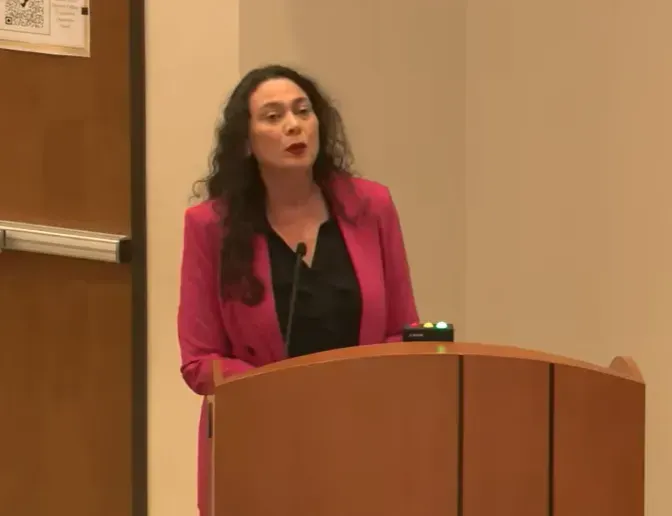
ELK GROVE, Calif. — The Elk Grove Unified School District Board of Education voted 5-2 Tuesday, Nov. 17, to authorize negotiations for a Project Labor Agreement (PLA), advancing a controversial construction policy despite concerns about costs, competition and its potential affect on local contractors.
The vote followed nearly a year of study and discussion over whether the district should establish a labor agreement governing future construction projects. The resolution authorizes the superintendent and district staff to negotiate an agreement, but any final PLA would require separate board approval.
During a presentation to trustees, Kristen Coates, Ed.D., outlined provisions intended to establish workforce responsibilities and measurable opportunities for students, including internships, apprenticeships and career technical education pathways. Supporters argued that a PLA could strengthen workforce standards while creating additional opportunities for students interested in construction trades.
Public comments reflected sharp divisions over the proposal, with Elk Grove Mayor Bobbie Singh-Allen speaking in support of the agreement. Singh-Allen encouraged trustees to follow an approach similar to that adopted by the city of Elk Grove, arguing that such agreements can help maintain workforce standards.
Eric Christen, executive director of the Coalition for Fair Employment and Construction, strongly opposed the proposal, describing it as "performative" and "a political document." Christen argued that PLAs discriminate against nonunion contractors and could restrict competition for taxpayer-funded construction projects.
Trustee Jennifer Ballerini supported moving forward with negotiations, emphasizing the potential benefits for students pursuing careers in construction and skilled trades. Supporters maintained that the proposed agreement could provide a more structured approach to career technical education and workforce development.
However, outgoing Area 5 Trustee Beth Albiani delivered an extended critique of the proposal during what was her final board meeting. Albiani questioned whether the agreement would benefit taxpayers or students and warned that restricting competition could increase construction costs.
"I do not believe a PLA is good for EGUSD," Albiani said, citing her review of construction studies that she argued showed such agreements could reduce the number of bidders and increase project expenses. She also expressed concern that local nonunion contractors and skilled tradespeople could face additional barriers to participating in district construction projects.
Albiani challenged the argument that a PLA was necessary to expand student training opportunities, pointing to district information she said showed nonunion contractors had historically provided substantially more internships than union-affiliated contractors. Her remarks raised questions about whether the district could achieve its workforce development goals without adopting a formal labor agreement.
Trustee Heidi Moore joined Albiani in opposing the resolution, but the remaining five trustees voted to authorize negotiations. The 5-2 decision allows district officials to begin discussions over the terms of a potential agreement without committing the district to its eventual adoption.
The debate is expected to continue when a negotiated agreement returns to the board for consideration. At that point, trustees will face a final decision over whether the proposed workforce and student training benefits justify the agreement's potential financial and competitive implications.