Elk Grove Police defend license plate cameras in video responding to audit concerns
The video appears intended partly to address findings from a citizen audit of public records
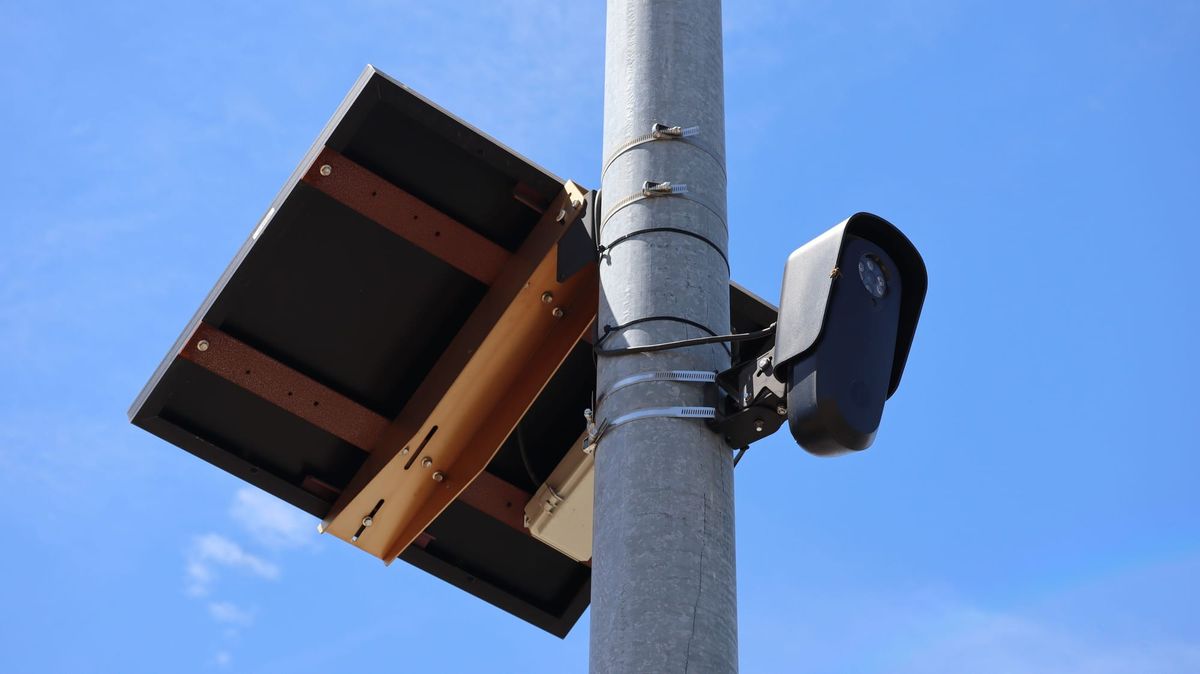
ELK GROVE, Calif. — The Elk Grove Police Department recently released a video defending its use of automated license plate readers, emphasizing investigative benefits and data safeguards while acknowledging that it previously shared information with agencies without formal agreements.
Police Chief Bobby Davis and Real Time Information Center Manager Andrea Cortez outlined the department’s practices in the video, a follow-up to its Sept. 9 City Council presentation.
Dozens of Elk Grove residents have spoken against Flock Safety and license plate cameras generally at the last two council meetings. The technology has generated national controversy over privacy and government surveillance, with opposition crossing political lines.
The video appears intended partly to address findings from a citizen audit of public records obtained by DeFlock Elk Grove, which has led local opposition. The group did not respond to an email invitation from Elk Grove News to comment on the video.
Davis said the cameras help investigators solve crimes faster, citing a kidnapped child found in Elk Grove in less than 12 hours and an investigation involving hidden cameras placed inside park restroom toilets.
He also asserted that cameras now installed near the site of the 2011 killings of two Sikh men would have helped capture their killers.
Cortez addressed audit concerns about outside agencies’ searches and data-sharing agreements.
She acknowledged that the department previously shared data with some agencies without memorandums of understanding. She also stated the department implemented a requirement for those agreements in mid-2024.
Cortez said Elk Grove now shares with approximately 68 California agencies, all with agreements requiring adherence to state law. Officials said federal agencies and out-of-state partners no longer have access.
Davis said access requires an authorized law enforcement purpose, multifactor authentication and a documented reason for searching. He said no Elk Grove employee had used the technology outside department policy.
Cortez said records are retained for 30 days and officers must verify potentially erroneous plate readings before acting.
Both officials emphasized that cameras photograph vehicles and plates rather than continuously recording video or identifying occupants.
However, residents at the council hearing challenged that distinction, arguing that repeated photographs across a camera network can reveal motorists’ movements. They also questioned whether investigative benefits justify collecting records on people suspected of no crime.