Elk Grove ends fiscal year with $24.7 million surplus, strong Measure E revenues driven by higher fuel prices
The Iran War contributed to higher consumer taxes collected
ELK GROVE, Calif. — The city of Elk Grove ended its 2025-26 fiscal year with stronger-than-expected revenues and lower expenditures, leaving approximately $24.7 million available for allocation after maintaining required reserves.
During its Wednesday, Nov. 18 meeting, the Elk Grove City Council reviewed the year-end financial report and approved a resolution directing the surplus toward infrastructure, economic development and future pension obligations.
City Budget Manager Nathan Bagwill presented the report, highlighting general fund revenues of $117.4 million, approximately $6.4 million above the final revised budget. General fund expenditures totaled $91.3 million, about $6.2 million below budget.
"The revenues performed very well in the previous fiscal year, exceeding both our budget and year-end projections," Bagwill told council members. "This reflects continued strength in the local economy."
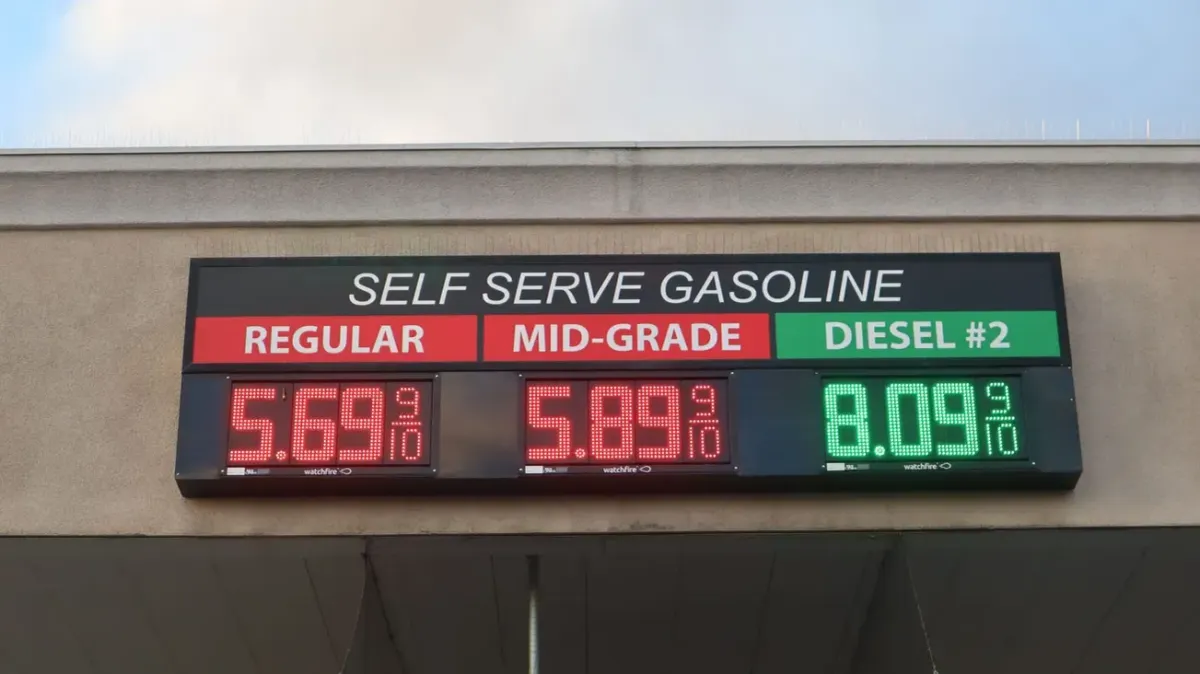
The city's favorable revenue performance was driven primarily by sales taxes, and investment earnings, with sales tax collections exceeding budget projections by approximately $2.1 million. Strong automotive sales, substantially higher fuel prices driven by the Iran War, retail spending and restaurant activity contributed to the increase, while investment earnings exceeded projections by nearly $3 million.
Lower expenditures were largely attributed to vacant city positions, particularly within the Police Department, and reduced operational costs. Police Department personnel vacancies generated approximately $2.5 million in savings, while reduced spending on training, equipment and professional services contributed additional savings.
Following the city's reserve requirements, which include setting aside 25% of general fund operating expenditures for economic uncertainty and 5% for opportunities, council members approved allocating approximately $14.8 million to capital reserves, $5 million to economic development and $5 million to the city's pension trust.
Measure E, the city's voter-approved 1-cent sales tax, also generated strong revenues, especially with higher fuel prices, collecting approximately $35.1 million during the fiscal year. That figure exceeded budget projections by $1.1 million, while expenditures totaled $22.8 million, approximately $6.8 million below budget.
According to the staff report, much of the Measure E underspending resulted from delays in homelessness initiatives, including permanent housing support services, transitional housing programs and planned capital improvements. Approximately $3.3 million in planned project expenditures did not occur during the fiscal year, with funding requests resubmitted for 2026-27.
Council members praised the finance department for maintaining healthy reserves while funding city priorities. No members of the public spoke during the hearing.
The report cautioned that year-end figures remain subject to adjustments until the city's annual financial report is finalized later this year.