Bureau of Reclamation Releases Pulse Flows to Sacramento River for Juvenile Chinook Salmon
Reclamation said pulse flow releases from Keswick Dam into the Sacramento River will target flow rates of approximately 11,000 cubic feet per second
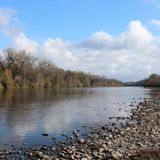
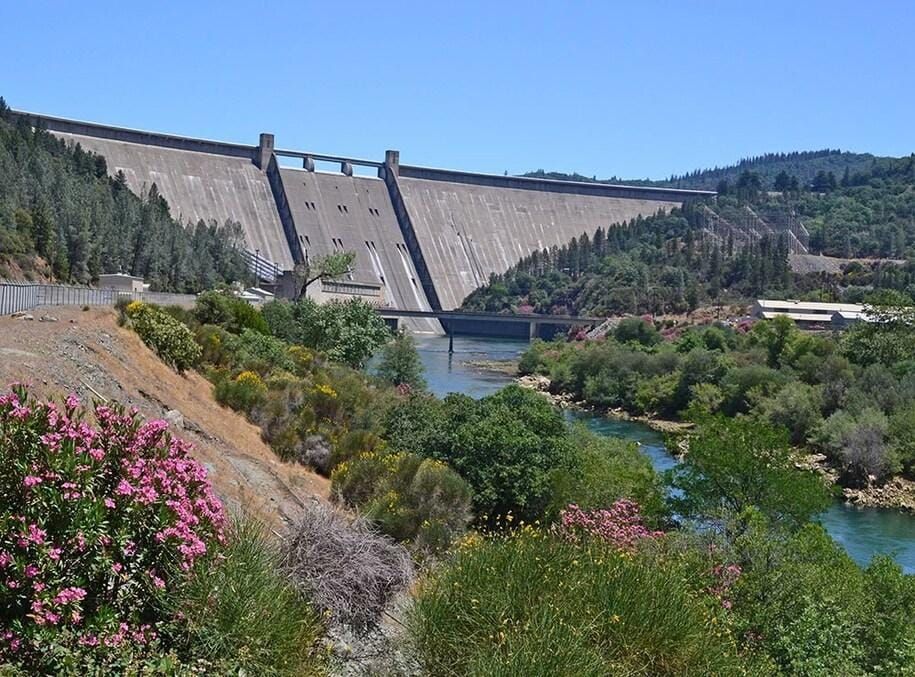
Responding to a campaign by fishing and conservation groups to stop a potential die-off of juvenile Chinook salmon, the Bureau of Reclamation today announced the planned schedule for a spring pulse flow release from Keswick Dam into the Sacramento River starting tomorrow, April 8.
The action came two weeks after the U.S. Fish and Wildlife Service released over 6.2 million juvenile fall-run Chinook salmon from Coleman National Hatchery into Battle Creek, a tributary of the Sacramento River.
Faced with potential salmon mortality, the Golden State Salmon Association (GSSA), Nor-Cal Guides & Sportsmen’s Association (NCGASA) quickly issued action alerts and letters urging federal officials to release pulse flows of cold water to allow the safe migration of the fish downstream on their journey to salt water at a time of record heat and warming river temperatures.
Reclamation, in coordination with the U.S. Fish & Wildlife Service, said it “worked with state, federal, and local agencies, and Tribes” to develop a Pulse Flow Study Plan.
“Pulse flows are rapid increases and decreases in dam-released flows, typically occurring over the course of 4-7 days,” the Bureau explained in a statement. “This pulse flow is designed to improve survival rates for juvenile Chinook salmon as they migrate to the ocean.”
“Spring-run Chinook salmon juveniles often face the most challenging outmigration conditions due to their later migration timing. Sacramento River pulse flows in April and May are expected to provide the greatest benefit to this portion of the Chinook salmon population. The timing may also benefit juvenile fall-run Chinook salmon recently released from Coleman National Fish Hatchery,” the Bureau wrote.
Reclamation said pulse flow releases from Keswick Dam into the Sacramento River will target flow rates of approximately 11,000 cubic feet per second at Wilkins Slough.This pulse flow is scheduled to begin around April 8, with peak Keswick releases near 10,000 cfs. Releases from Keswick Dam will vary to shape pulse flow conditions.
“During these elevated releases, river levels will rise, and currents will be fast and cold. Members of the public are strongly urged to exercise caution and follow all appropriate safety measures when near or on the river,” the Bureau advised.
The Golden State Salmon Association (GSSA), Nor-Cal Guides & Sportsmen’s Association (NCGASA) and other conservation groups were instrumental in making this pulse flow release take place.
In response to the Bureau’s announcement, Vance Staplin, Executive Director of the Golden State Salmon Association, said, “It is encouraging to see the Bureau of Reclamation change direction and now collaborating with Coleman National Fish Hatchery to time a pulse flow that will help push the recent release of just over two million smolts down the Sacramento River.”
“This effort highlights the growing recognition of the need for a minimum Sacramento River flow of 11,000 cubic feet per second at Wilkins Slough, located approximately 45 river miles upstream from the City of Sacramento,” he explained.
He also said it is important to acknowledge the 416,893 salmon smolts from Coleman National Fish Hatchery that are being trucked downstream to be released on April 9-10th during this pulse flow at Tisdale Boat Ramp.
“This is obviously a direct extension of the program GSSA initiated with Coleman Fish Hatchery that began at Scotty’s Landing, which focuses on trucking smolts past heavy predation areas so they can imprint on the Sacramento River before heading to the ocean. By releasing these fish at the Tisdale Launch Ramp, these fish bypass over 150 river miles of predation, effectively cutting their journey to the bay nearly in half,” concluded Stamp.
On March 24, Staplin sent a letter to the Bureau's acting western regional director, Adam Nickels, calling on him to address this problem by sending higher “pulse” flows into the river.
“For the sake of keeping the salmon industry from being forced back into possible closure of the fishery in 2028, we ask you to do whatever is needed to make some water available now from Shasta Lake,” Staplin then urged.
For more information, go to: : www.dailykos.com/…