Austerity as Public Policy: Causes of Larceny, Homelessness, Human Disease, and Ignorance
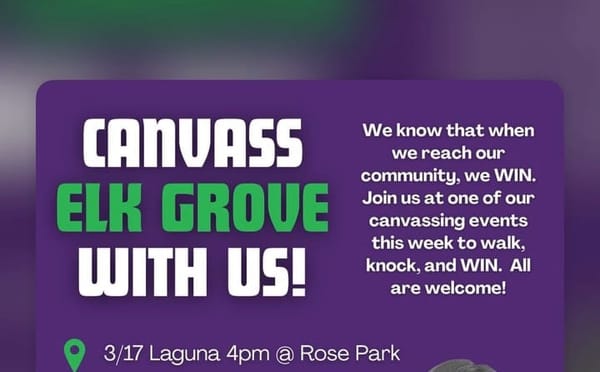
It’s certainly not more taxes, like Elk Grove's Measure E, on such people.

Alexander Hamilton, James Madison, and John Jay propagandized the ideas of federalism in the US Constitution through their pseudonym, Publius, as published in the Federalist Papers, 1787-8. In Federalist Letter number 12,https://founders.archives.gov/documents/Hamilton/01-04-02-0165
Publius opines:
The ability of a country to pay taxes must always be proportioned, in a great degree, to the quantity of money in circulation, and to the celerity with which it circulates. Commerce, contributing to both these objects, must of necessity render the payment of taxes easier, and facilitate the requisite supplies to the treasury...personal property is too precarious and invisible a fund to be laid hold of in any other way, than by the imperceptible agency of taxes on consumption.
The founding fathers would have scoffed at Elk Grove’s attempt to remedy homelessness with funds from Measure E. As it is, they never allowed an income tax, which required the 16th Amendment 126 years later, ratified in 1913. Despite being white, Anglo-Saxon male landowners, they understood the limits of funding government intrigues like wars and public works projects.
They felt the pain made by the king and his unfair taxes, a form of austerity against them. As the wealthy and powerful political leaders of their times, they trusted that commercial activities, especially the velocity of money to turn over in the hands of the public and private enterprises, to be the best source of taxation to fund armies and to build roads, bridges, and to meet the needs of the general welfare. Taxing income and personal property would always fall short of demands.
That’s what Measure E does; it taxes our personal income and property. It will never meet the needs of the homeless in our community, and it will never do much else.
The real money in housing is made in bank lending interest, real estate profits, title insurance fees, catastrophic insurance premiums, property taxes, and the ongoing, inexorable cost of utilities: water, sewers, electricity, gas, telephony, shelter maintenance and replacement. Most people have all their wealth tied up in their home, and yet don’t own it outright until old age. For most of us, home ownership is a fragile balance between working for wages, raising kids, paying to keep the lights on, and maintaining a roof over our heads.
During the global housing crash of 2007-8, many families were evicted from their homes because their adjustable rate mortgages increased interest rates and made monthly payments impossible. Many people lost their jobs as the worldwide economy plummeted. Nearly two decades later, the world’s economies, including that of the United States, remain in shambles. The real money in housing isn’t hurting; it’s the people who suffer from the austerity warned against by the founding fathers.
Housing, transportation, health care, education, and food are unaffordable to more than half of the US population. What’s left over after expenses, our discretionary income that remains, puts half of us in peril when faced with an economic emergency.
Think of when the tires on the one and only household vehicle need to be replaced; a child becomes sick and must be hospitalized; the breadwinner is injured and unable to work; a hole in the roof needs repair but the landlord won’t fix it...the list is as long as that of the vulnerable persons in our insecure communities. Such impoverishment drives the primary concern of the local police, the crime of larceny.
So, what’s the answer to this dilemma of the richest country in the world, half of whose people are by any measure economically impoverished and whose lives and health are imperiled?
It’s certainly not more taxes, like Elk Grove's Measure E, on such people. As it is, homelessness is a $220 million business in Sacramento County, with tens of millions of those dollars spent on psychiatrists and their appurtenant businesses.
Maybe the house you live in should be made affordable, a personal, untaxed property. And maybe the real money in housing needs to pick up the tab.