Update: SMUD cancels controversial Coyote Creek project that would remove nearly 3500 trees

“SMUD’s exit is welcome — but it doesn’t end the fight for Coyote Creek.”

Update: SMUD cancels controversial Coyote Creek project that would remove nearly 3500 trees

SACRAMENTO, Calif. — The Sacramento Municipal Utility District (SMUD) has cancelled its power purchase agreement with D.E. Shaw Renewable Investments (DESRI) to be an off taker of solar power from the controversial Coyote Creek Agrivoltaic Ranch project.

This is a partial victory for the coalition of environmental groups and Indian Tribes, including the Shingle Springs Band of Miwok Indians and the Wilton Rancheria, who opposed  the project that would remove nearly 3500 trees from habitat draining a tributary of Deer Creek, in turn a tributary of the Cosumnes River. Two lawsuits, one by the California Native Plant Society and ECOS (Environmental Council of Sacramento) and another by the Wilton Rancheria, were recently filed against Sacramento County for approving the project in December.

In 2021, SMUD signed a power purchase agreement (PPA) with D.E. Shaw Renewable Investments (DESRI) to be an off taker of solar power from the Coyote Creek project, according to an announcement from SMUD. 

“Due to project uncertainties, SMUD announced today that they will not be purchasing power from the Coyote Creek project. Some of the uncertainties include: supply chain constraints, rising prices, tariffs, schedule delays, environmental impacts and pending litigation,” SMUD stated.

SMUD CEO & General Manager Paul Lau issued the following statement about SMUD’s decision to terminate the PPA for the project:

“Over the years, SMUD and DESRI have delivered multiple important clean energy projects that benefit our community, and we look forward to continuing our partnership for years to come. We’d like to thank Sacramento County for all their work throughout the process and our SMUD Board of Directors for their leadership. We remain committed to following a flexible pathway to eliminate all carbon from our power supply by 2030.”  

The environmental groups thanked SMUD for their decision, but noted that they would continue to pursue litigation against Sacramento County. 

As ECOS’ policy analyst Luz Lim told the Sacramento Bee, “The impacts of this project would have had on parks, on the environment, and especially on tribes, would have been devastating, and it would not have aligned with the values that SMUD has preached. As far as we’re concerned, this project is still alive, even if SMUD isn’t the one purchasing the power from DESRI…our litigation is still standing because we don’t think that this project is CEQA compliant.”  

Read more at: www.sacbee.com/...

And in an op-ed by Robin Epley of Defenders of Wildlife published in the Sacramento Bee today, the headline in the article states, “SMUD’s exit is welcome — but it doesn’t end the fight for Coyote Creek.”
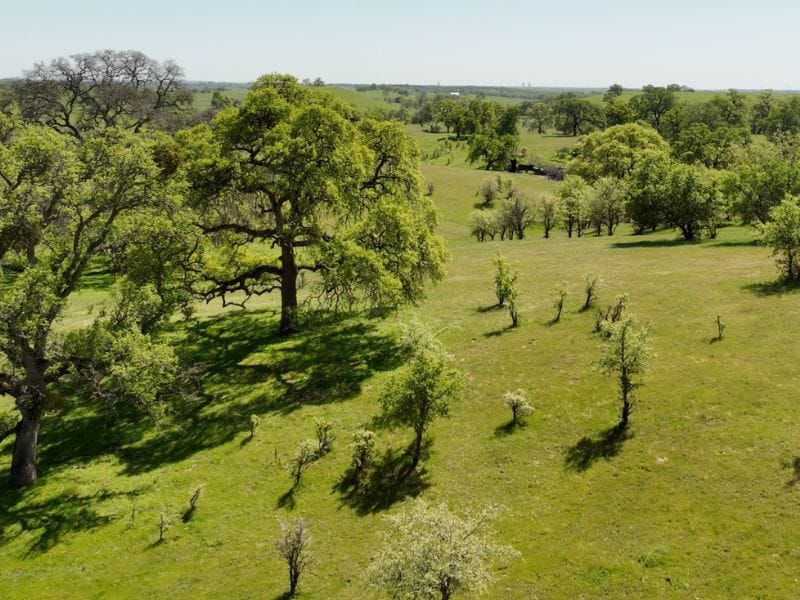
“If you’ve been celebrating the news that the Sacramento Municipal Utility District (SMUD) won’t buy power from a controversial project opposed by environmentalists, Native American communities and others, maybe hold off on popping the champagne,” she wrote.

“One of SMUD’s biggest public relations disasters in decades is far from solved by their retreat on Tuesday from the Coyote Creek solar project, which threatened 3,500 oak trees in one of California’s last known woodlands. The trees are still in danger even though SMUD’s purchasing deal with New York-based energy developer D.E. Shaw Renewable Investments (DESRI) is off,” she stated. Read more at: www.sacbee.com/ 

I will continue to provide you with the latest news on the Coyote Creek project here as I receive it.