Rural Roots - The Old Railroad Through Sheldon
Before trucks and highways took over, rail was the backbone of how goods moved
…The Rural Area is valued in our community for its aesthetic and cultural significance, as well as the economic and educational opportunities that agriculture provides. Our commitment to maintaining the Rural Area is clear and codified in core planning documents…” Elk Grove General Plan, December 2023
If you’ve spent any time in the Rural Elk Grove area, you’ve probably seen it.
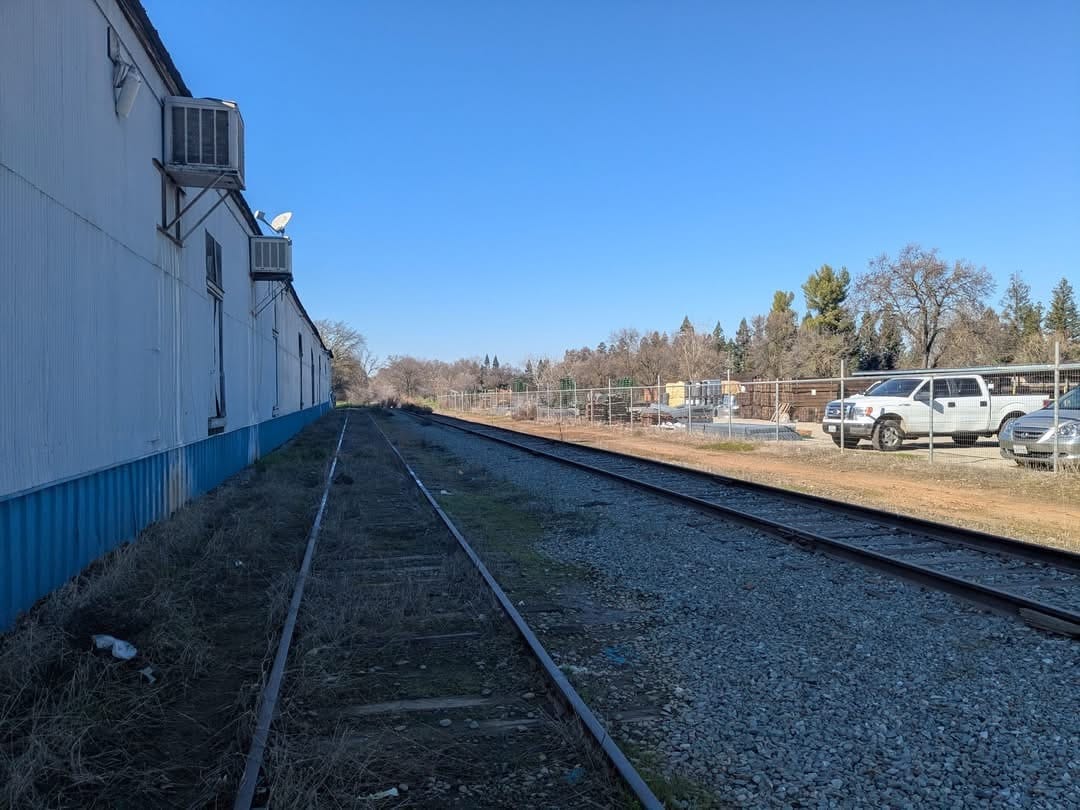
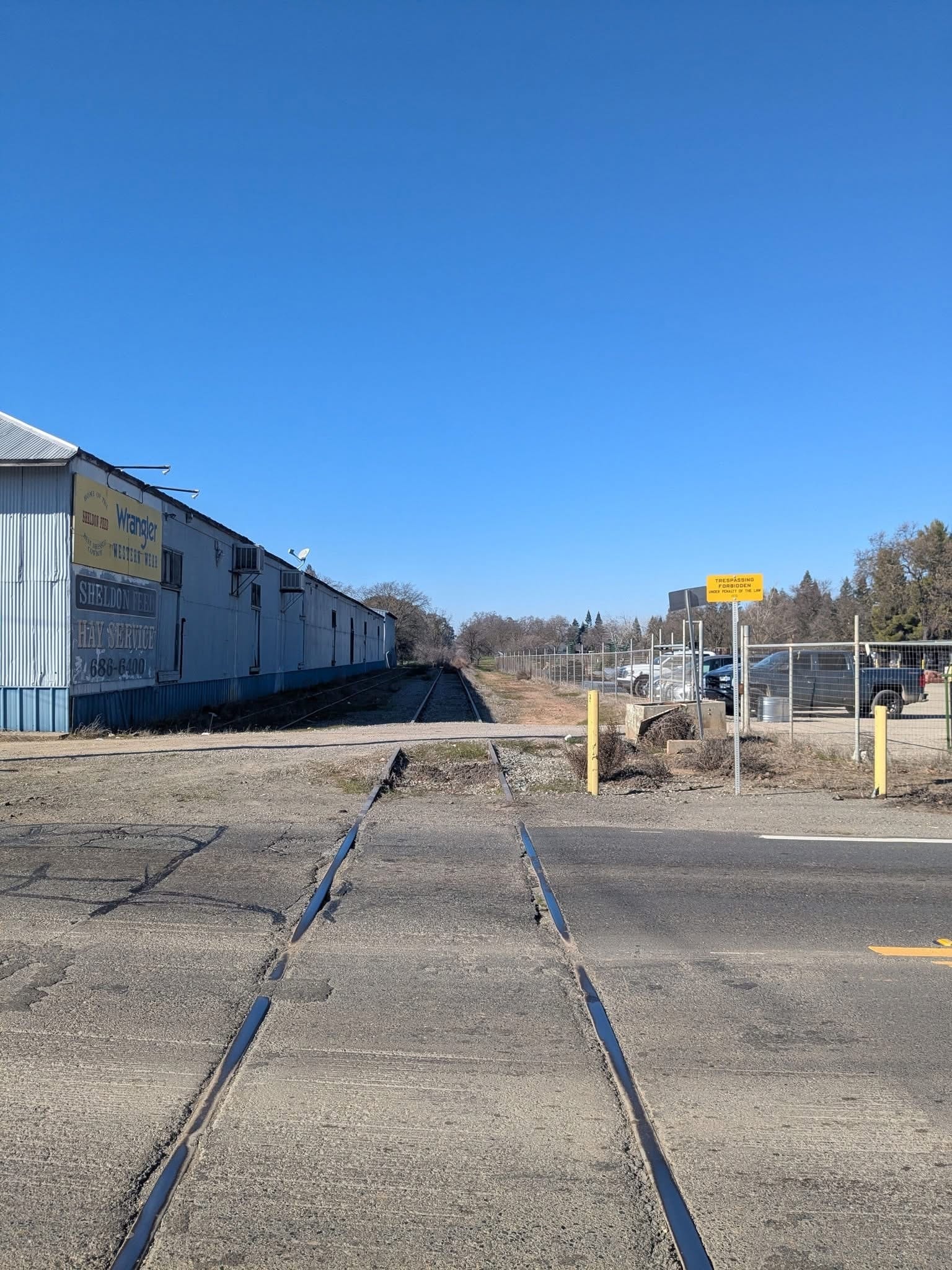
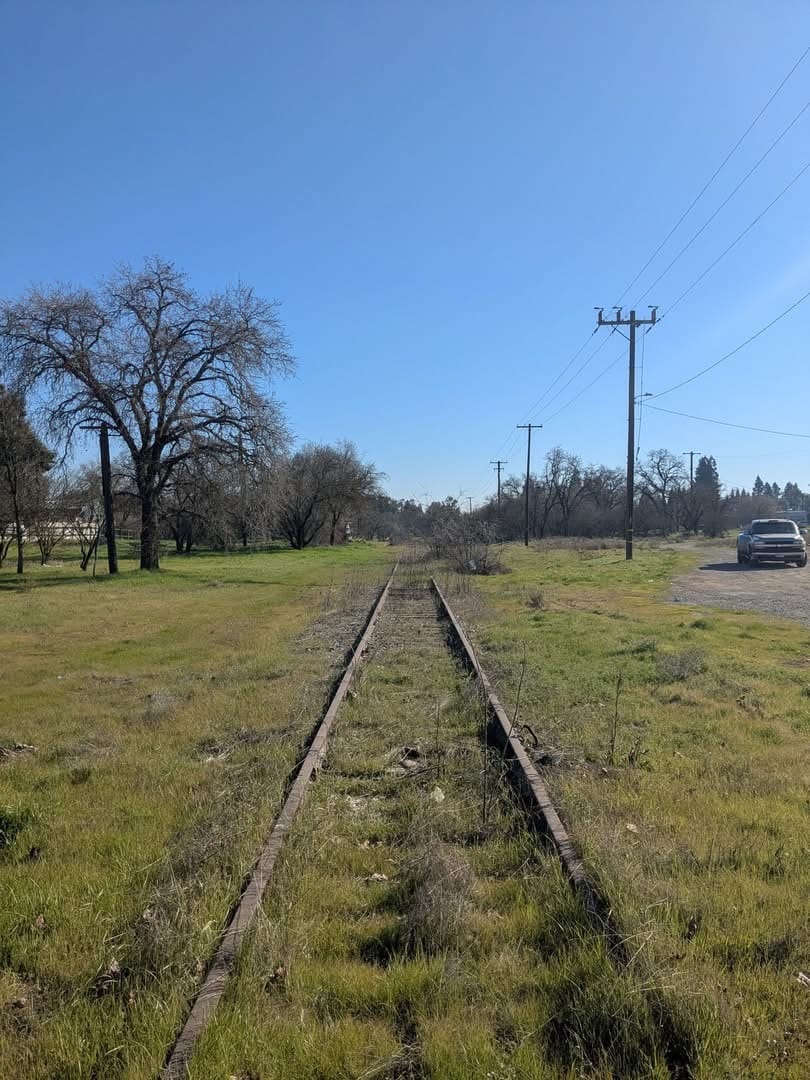
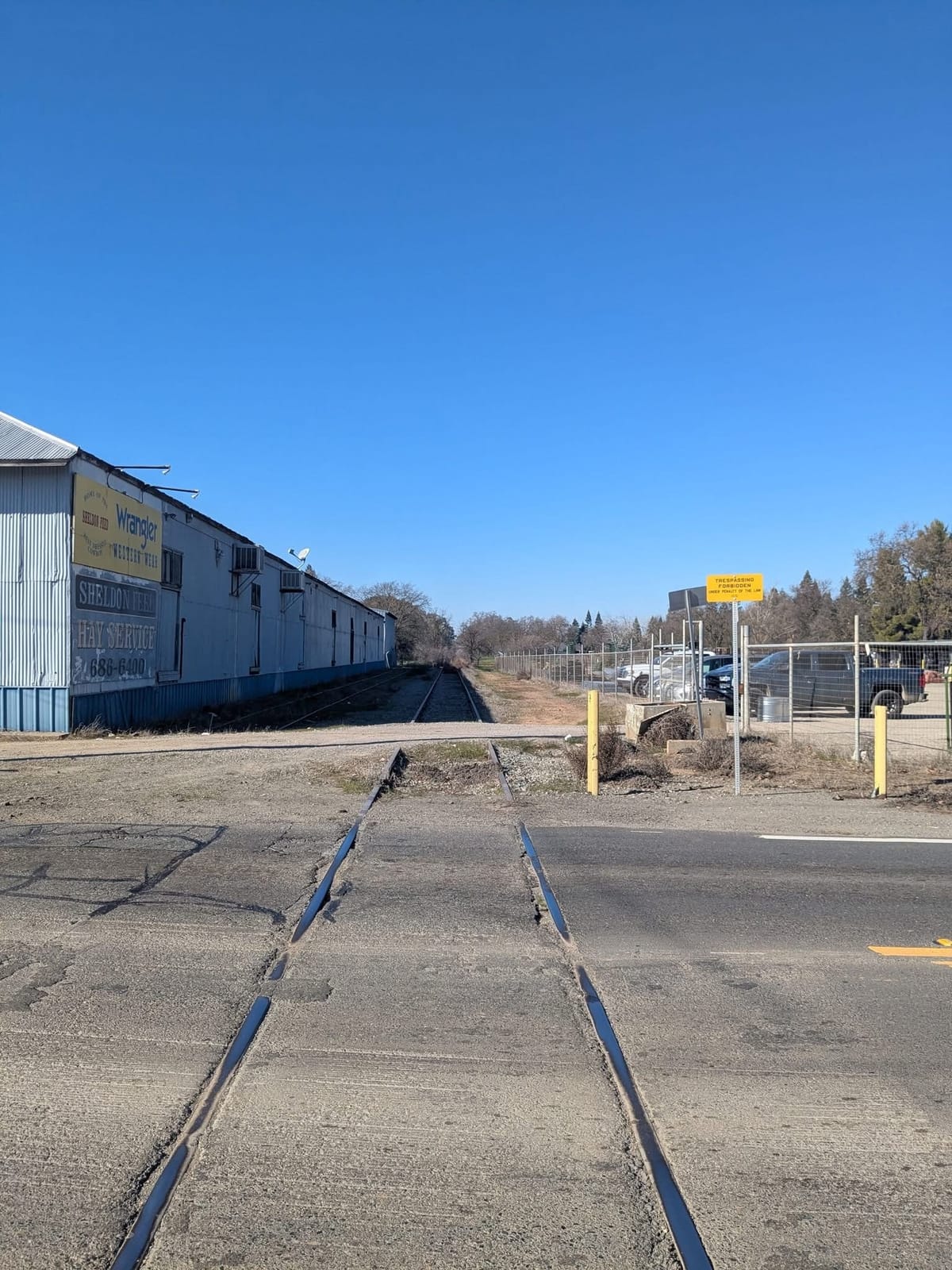
A narrow stretch of raised ground cutting through fields and properties. Old rails in some spots, gone in others. Trees growing in where trains once ran. It passes near Sheldon, by the feed store, and continues north toward Sacramento and south toward Galt.
Today, it’s quiet.
People walk it. Some ride horses along it. You’ll see the occasional dirt bike or someone just out for a run. It blends into the landscape now, like it’s always been part of it.
But it wasn’t always like that.
This rail line was originally part of a network built in the late 1800s and early 1900s to support agriculture in the region. Lines like this connected smaller farming communities directly into Sacramento, allowing crops, livestock, dairy, and supplies to move efficiently to market.
Before trucks and highways took over, rail was the backbone of how goods moved. Farmers relied on these lines to get products out and bring supplies in. Areas like Sheldon had access points and loading areas that tied directly into that system.
It wasn’t just transportation. It was infrastructure that made farming at scale possible.
Over time, that shifted.
By the mid to late 1900s, trucking became more flexible and cost effective. Highways expanded, and smaller branch rail lines like this one started to lose their role. Service slowed, sections were abandoned, and eventually the line stopped operating altogether.
What was once a working rail corridor slowly became what you see today.
Unused, but not forgotten.
There are even local stories from the late 1990s of a small rail car or caboose being moved along parts of the track by a local individual. Nothing formally documented, but something longtime residents still talk about. It’s one of those pieces of local history that sits somewhere between fact and memory, and it reflects how long this line remained part of everyday life even after its main purpose had faded.
Now it serves a different purpose.
It’s a path. A boundary line. A reminder.
It cuts through properties that are still used for agriculture. It runs alongside pastures, barns, and open land. And while the trains are gone, the connection to the area’s agricultural history is still there.
It’s one of those pieces of Rural Elk Grove that doesn’t stand out unless you know what you’re seeing.
But once you do, you start to see it differently.
Not just as an old rail line, but as part of how this area was built, and how it still carries that history forward.
Matt A., Rural Elk Grove resident