Rural Roots Sunday
This is the first in a series looking at the history of Elk Grove and it's rural Sheldon area by former Elk Grove Planning Commissioner.
by George Murphey
…The Rural Area is valued in our community for its aesthetic and cultural significance, as well as the economic and educational opportunities that agriculture provides. Our commitment to maintaining the Rural Area is clear and codified in core planning documents…” Elk Grove General Plan, December 2023
Beginnings: Part 1
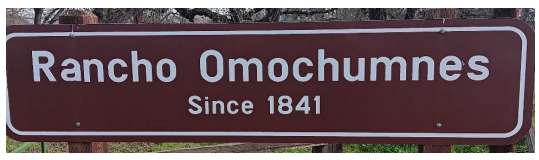
How did the Sheldon area develop? What events led to the establishment of Sheldon’s “place” in Elk Grove’s history? This article will highlight just a few of the events in Sheldon’s history. Let’s start from …well, the beginning.
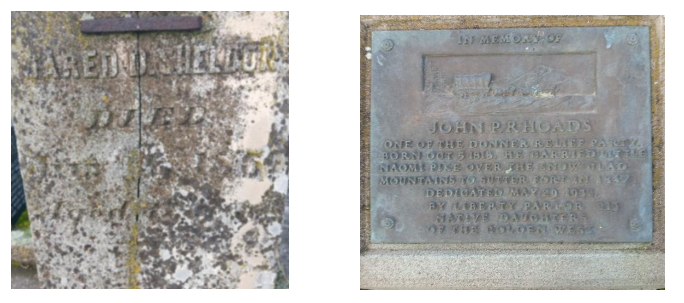
There are many names in Elk Grove’s history associated with the Sheldon area. Names like William Daylor (Jared Sheldon’s partner), Donner, Rhoades, and Dillard. In particular is the name Jared Dixon Sheldon for whom the settlement of Sheldon, established in 1860, was named. The community surrounding the Sheldon commercial district, along Grant Line Road, is known as the Sheldon area.
Jared Sheldon received a land grant of 18,000 plus acres from the Mexican government in 1844. The grant was in recognition of work done for the Mexican government in Monterey. The grant was known as the Omochumnes Land Grant. The grant’s northern boundary line came to be known as Grant Line Road. Future Civil War General, William Tecumseh Sherman was the surveyor for the land grant. Grant Line Road became a well-traveled road, connecting Upper Sacramento Road (Hwy. 99) to Jackson Hiway and the towns and gold fields to the east.
Jared Sheldon was a gold miner, cattle rancher and farmer. Sheldon and Daylor established a farm and grist mill in Sloughhouse to supply miners, mining gold on the Cosumnes River. In time, a dispute erupted over water rights between Sheldon and Daylor and the miners. Both Sheldon and Daylor were shot and killed. Sheldon and Daylor are buried in the Sloughhouse Pioneer Cemetery off Jackson Hiway.
During this time several businesses sprang up. One, a wagon manufacturing facility became Miles Cash Market and, finally, what is now the Sheldon Inn restaurant. The Central California Traction Railroad ran through the heart of the Sheldon business district. A storage/loading shed, now Sheldon Feed, was built to house the many crops destined for Sacramento, Stockton and beyond. Over the years other famous (or infamous) buildings were built. There is no certainty as to the age of these buildings. There was a blacksmith shop, a gas station (now the Y-NOT), the Ponderosa Club and Trudy’s Place (now Pholicious). Each of these buildings have been through several iterations and owners over the years. Their place in Sheldon’s history is well established and not forgotten.
Sheldon and the surrounding area, known as the Rural Area, have remained relatively rural in nature. But the winds of change are beginning to stir. There is pressure to develop the Rural Area. That pressure, along with the future Southeast Connector, will change the character of the area. The coming changes can be managed, allowing the Rural Area to remain intact. Next, we’ll take a look at what has occurred within the Rural Area since Elk Grove became a city.
Hopefully, this brief glimpse into the past will encourage you to take a deeper dive into Elk Grove’s history. There are several books detailing the history of Elk Grove and the part the Sheldon area played. History Happened Here (books 1&2) and Images of America Elk Grove by Elizabeth Pinkerton and Echoes of Yesterday by Lance Armstrong are excellent historical resources.