Medicare at 61 Exposes Growing Divide Between Doris Matsui, Mai Vang in Competitive CA-7 Race
In California's 7th Congressional District, the anniversary became an unexpected flashpoint in the increasingly competitive Democratic contest
This week marked the 61st anniversary of Medicare, the landmark program enacted during President Lyndon B. Johnson's administration. Along with President Franklin D. Roosevelt's New Deal, Johnson's Great Society programs helped create much of the social safety net that millions of Americans continue to rely upon today.
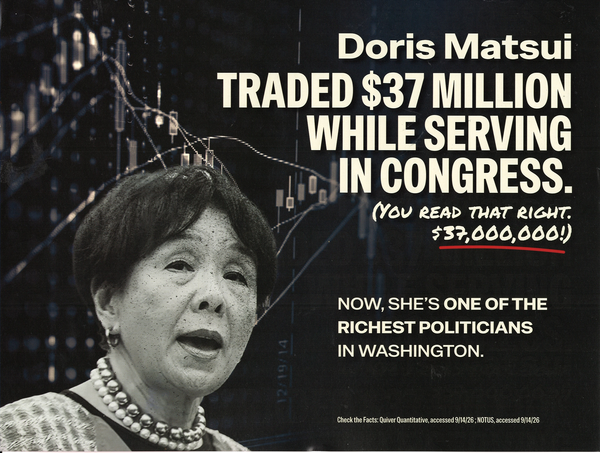
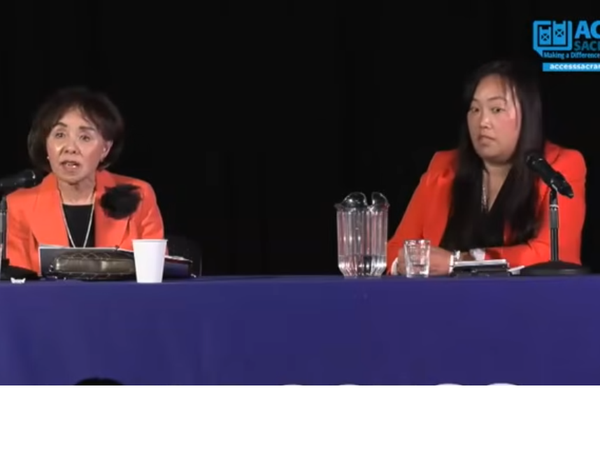
In California's 7th Congressional District, the anniversary became an unexpected flashpoint in the increasingly competitive Democratic contest between incumbent Rep. Doris Matsui and Sacramento City Councilmember Mai Vang. Although both candidates support Medicare and oppose efforts to weaken it, the anniversary highlighted a growing debate over how aggressively Democrats should seek to expand the program.
The Vang campaign used the occasion to emphasize its support for Medicare for All, highlighting Vang's appearance with National Nurses United members outside the federal building in Sacramento after a planned meeting with Matsui's office was canceled. The campaign portrayed the event as evidence that Vang is more closely aligned with grassroots healthcare advocates, quoting Vang as saying, "Working families in our district deserve a representative who will have their backs and put their priorities at the top of the agenda in Washington."
The release also featured criticism from nurses who said the canceled meeting was disappointing and argued Medicare should be "improv[ed], expand[ed], and protect[ed]."
The Matsui campaign disputed that characterization, saying the meeting was canceled because organizers changed both the makeup and size of the delegation shortly before it was scheduled. In an email response provided to Elk Grove News, a Matsui campaign consultant said the office believed the gathering had evolved into "an attempted political stunt" rather than a productive policy discussion.
The spokesperson added that Matsui's chief of staff later spoke with organizers and offered future opportunities to meet "in a good faith effort to discuss how to guarantee access to everyone who needs healthcare."
Regardless of where the truth lies, the exchange illustrates how a competitive California general election between two Democratic congressional candidates can evolve. Candidates who share broad philosophical agreement increasingly distinguish themselves through differences in emphasis, political style, and preferred methods of achieving similar policy goals.
That appears to be the case here. Matsui has spent more than two decades building a reputation as an establishment Democrat who has generally pursued healthcare expansion through incremental legislation and coalition building. Vang, meanwhile, is positioning herself closer to the progressive wing of the party by arguing that Medicare for All should be the ultimate objective rather than one policy option among many.
Viewed in isolation, the disagreement might appear to be splitting hairs. Both candidates support Medicare. Both oppose Republican efforts they believe would weaken the program. Both favor expanding access to healthcare.
Yet in a California general election, especially one between two Democrats, those nuances can become meaningful signals to voters deciding which vision they prefer.
The timing also gives the disagreement added significance.
As both campaigns spar over Medicare's future, the national debate has intensified following the Trump administration's decision to end a federal subsidy program that has helped keep Medicare Part D prescription drug premiums lower. Critics warn that many seniors could face higher prescription drug costs beginning next year, potentially making healthcare affordability an even more prominent campaign issue.
That broader backdrop may ultimately determine whether this week's dispute becomes more than a one-day campaign story.
After Labor Day, voters can expect an increasingly sharp campaign between Matsui and Vang on issues ranging from healthcare to affordability, housing, immigration and Washington leadership. Among those debates, however, Medicare may prove especially consequential.
Whether voters favor Vang's call for Medicare for All or Matsui's more incremental legislative approach could become an important measure for both younger voters seeking systemic change and older voters increasingly focused on protecting benefits as healthcare costs continue to rise.