Increased Abundance of Sacramento and Klamath River Chinooks Points to Improved Salmon Season
The potential for fishing seasons on the ocean in the Klamath Management Zone and the Klamath and Trinity River systems looks better
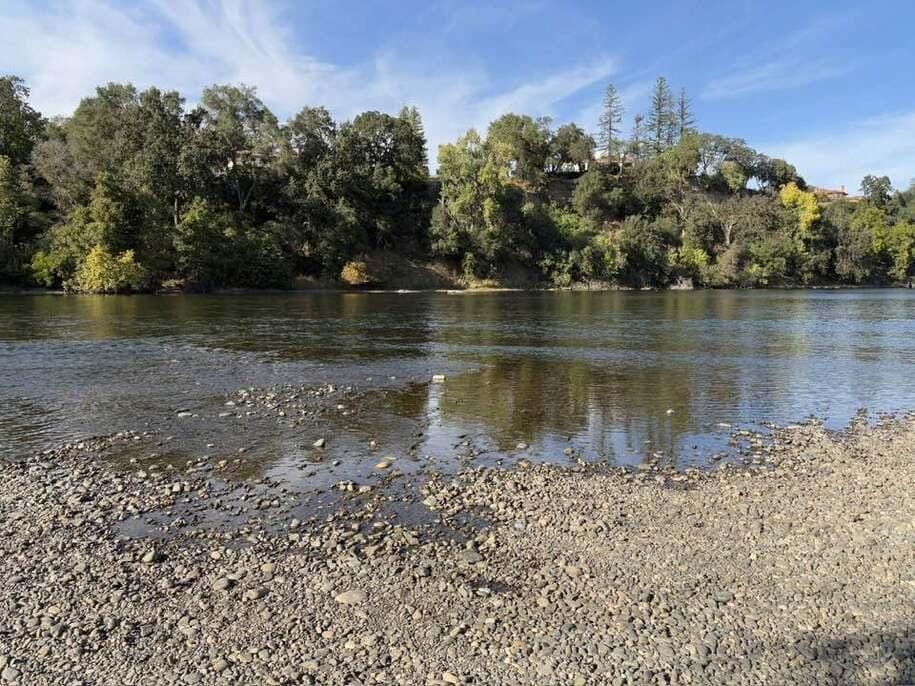
Sacramento – Both the Sacramento and Klamath River systems saw increased numbers of Chinook salmon return to spawn in 2025 compared to the previous two years, pointing to a potential increase in fishing opportunities in the ocean and rivers this year.
Dr. Michael O’Farrell of the National Marine Fisheries Service forecasts a current adult salmon ocean abundance of Sacramento River Fall Chinook to be 392,349, based on a model used to determine West Coast fishing seasons every year. The information was released at a meeting held by the California Department of Fish and Wildlife (CDFW) on February 27 at the Resources Building in Sacramento.
The forecast is based largely on the number of jack (two-year-old) salmon that returned to spawn in 2025. The 2025 jack count of 63,369 was the highest since 2011, the result of very rainy, wet conditions in the Central Valley during 2024.
“The heavy runoff into the Central Valley rivers created conditions much closer to those juvenile salmon need to survive, underscoring the benefit salmon enjoy when there’s enough water in Central Valley rivers,” the Golden State Salmon Association said in a press statement.
Though much improved over the previous two low years, the forecasted abundance is well below the banner salmon years in the period from 1996 to 2005.
The commercial ocean salmon fishing season in California has been closed for three years, while only a very limited season for recreational anglers was allowed in 2025 after three years of closure. Likewise, all recreational salmon fishing has been closed on the Sacramento River for three years, with only a short recreational season allowed on the Feather, American and Mokelumne rivers in 2025.
O’Farrell said fishery managers must target an escapement of at least 188,328 Sacramento River salmon this year with an exploitation rate of 52 percent maximum by fisheries. “This may constrain fisheries,” he noted.
The relatively strong return of protected Sacramento Winter Run Chinook in 2025 is also pointing towards a less constrained early fishing season in Monterey Bay and other areas south of Pigeon Point, California. These are the areas where protected winter-run salmon, listed under both the State and Federal Endangered Species Act, are found historically.
Spawner escapement of Sacramento River Winter Chinook (SRWC) in 2025 was estimated to be 14,303 adults and 880 jacks, a big improvement over recent years, although nowhere near historical numbers. For example, a total of 117,000 of these endangered fish returned to the Sacramento River in 1969.
The potential for fishing seasons on the ocean in the Klamath Management Zone and the Klamath and Trinity River systems looks better also, although the abundance is still below historical population levels.
2025 Klamath Basin abundance forecast is 157,286 age 3 fish, 18,323 age 4 salmon, and 624 age 4 fish, according to O’Farrell.
40,111 fish is the potential spawner abundance, according to Keith Parker, Yurok Tribe senior fishery scientist. The minimum natural area adult salmon escapement is 30,083.
The estimated run size in the Klamath mainstem and its tributaries above Iron Gate was 11,722 adults and 341 jacks in 2025. The estimated run size in the Klamath mainstem and its tributaries above Iron Gate was 11,722 adults and 341 jacks in 2025, showing the clear benefits of the completion of the removal of four Klamath dams in 2024.
Water quality in the lower Klamath has “significantly improved” since the removal of the dams, according to preliminary results collected by the Yurok Tribe Environmental Department.
As I have pointed out before, successful dam removal could have not come about without the over two decades of grassroots activism by members of the Yurok, Karuk, Hoopa Valley, Klamath and other Tribes and their allies, including recreational and commercial fishing groups, environmental organizations and supportive elected officials.
The CDFW also released the results from the six days of ocean sport fishing in 2025, the first three in June and the second three in September, at the meeting. About 67% of the fish caught were hatchery fish. Of these, 35% originated at the Mokelumne hatchery. Most of those fish were trucked to safe release sites on the coast and near the Golden Gate Bridge as juveniles.
The GSSA noted, “This underscores the survival benefit of releasing fish closer to the ocean compared to those released in Central Valley rivers or the Delta.”
“We’re cautiously optimistic about what this year’s improved salmon forecast means for a return to a more normal fishing season this year,” said GSSA executive director Vance Staplin after the meeting. “You can’t miss the correlation between improved salmon numbers and the fact these fish swam out of the Central Valley a few years ago in very wet conditions. We hear over and over from all of the experts tagging and tracking juvenile salmon in the Central Valley that survival depends primarily on flow conditions in the rivers.”
The meeting marked the start of the approximately one month process to determine what kind of salmon fishing will be allowed in California in 2026. The next step began Wednesday as the Pacific Fishery Management Council (PFMC) meets from March 4 to 9 in Sacramento to craft three possible fishing season alternatives. The public will get a chance to comment on the three options March 23 in Santa Rosa. In early April, the PFMC will adopt one of the options, subject to formal approval by the National Marine Fisheries Service.
California’s salmon fishing industry is currently valued at $1.4 billion in economic activity and 23,000 jobs annually in a normal season and about half that much in economic activity and jobs again in Oregon, according to the GSSA. Industry workers benefiting from Central Valley salmon stretch from Santa Barbara to northern Oregon. This includes commercial fishermen and women, recreational fishermen and women (fresh and salt water), fish processors, marinas, coastal communities, equipment manufacturers, the hotel and food industry, Tribes and others.