For Trump, 'Some People Need Killing' - The Extrajudicial Executions of Good & Pretti
Former Philippine President Rodrigo Duterte is being held in The Hague awaiting trial at the International Criminal Court for alleged crimes against humanity
People who follow international news are familiar with the former president of the Philippines, Rodrigo Duterte. The former president of the one-time American colony reigned over a period of government-backed terror.
A bevy of armed and sanctioned enforcers dispatched by Duterte summarily executed people suspected of drug use or dealing. It is important to note that, as a former American colony that gained its independence in 1945, the Philippine government and judiciary are modeled after our systems of governance to the point that cases in their Supreme Court and lower courts are argued in English.
Given the Philippines' lack of institutional strength and history, like its American counterpart on which it was modeled, it was relatively easy for Duterte to institute his reign of terror. According to official Philippine data, 6,248 people were victims of extrajudicial executions, while Human Rights Watch put the number at 12,000.
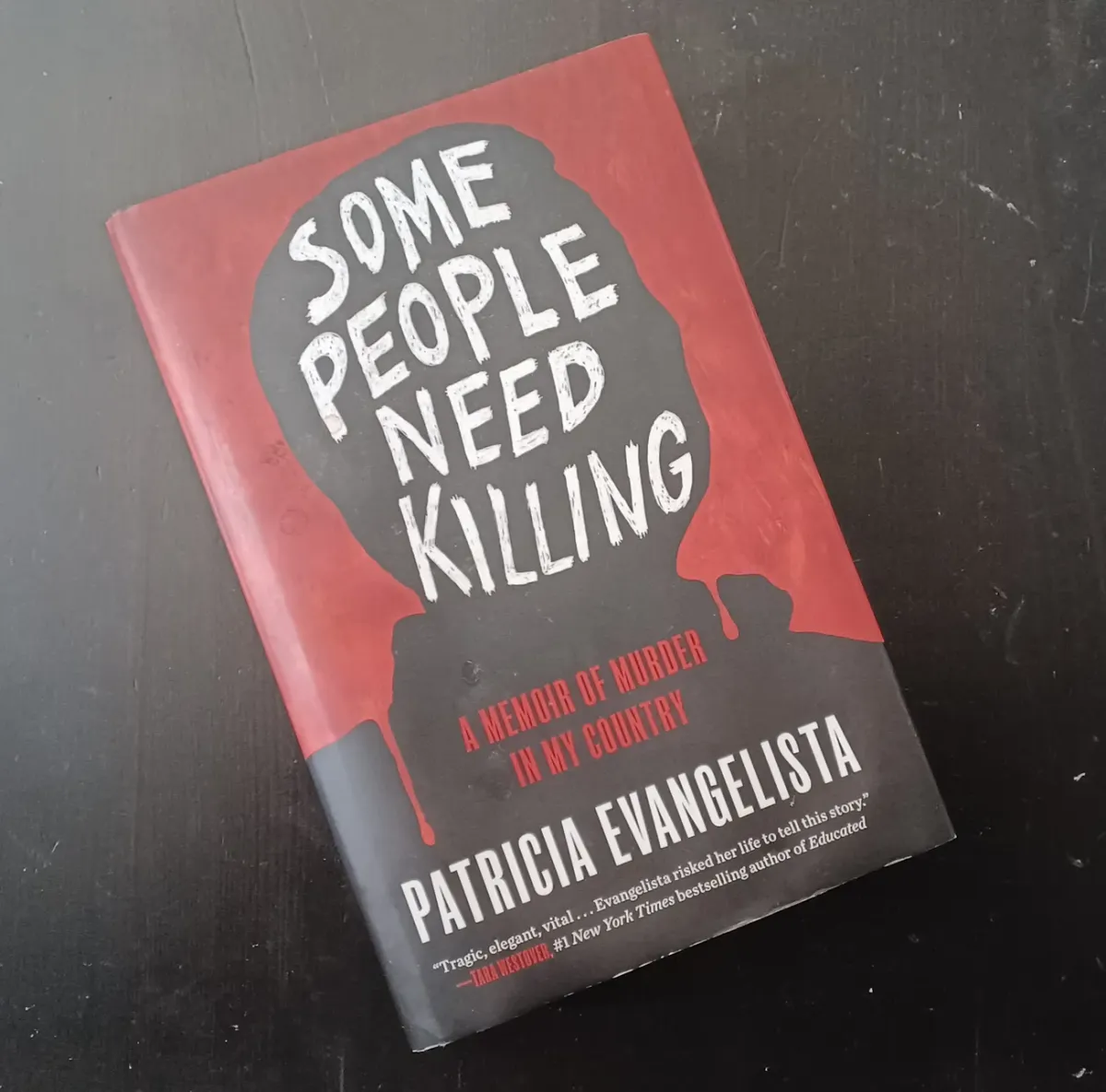
A Manila-based author and former Rappler reporter, Patricia Evangelista, explored Duterte's reign of terror in her book, Some People Need Killing. As the title suggests, some authoritarian rulers share the belief that some people need to die without access to not only their government rights, but also basic humanity - something that is looking to become common in Trump's America.
You may not have noticed the use of the term extrajudicial executions. What constitutes an extrajudicial execution?
The World Organisation Against Torture defines it as "extrajudicial executions, happen when someone in an official position deliberately kills a person without any legal process. Such arbitrary deprivations of life, which can also be carried out by militias, death squads, or other non-State actors, often target political opponents, activists, or marginalized groups."
Given that Trump's government has already classified Alex Pretti and Renee Good as domestic terrorists without an investigation and in defiance of widespread video evidence, much less standard law enforcement protocol, what can be said of the government agents? How can those two deaths, along with possibly some people who have died in federal detention centers, for which members of Congress have been denied their guaranteed oversight privileges to inspect, be classified?
Mr. Pretti and Ms. Good were subjects of extrajudicial executions.
The untrained agents, in a split second, acted as judge, jury, and executioner. Good and Pretti were denied their rights guaranteed to every person on American soil.
The Trump administration has already rendered its judgment. Nothing will change their prejudice.
There are a few things worth noting.
There have been at least two extrajudicial killings at the hands of the Trump government that we know of, and by scale, it doesn't yet compare to the Philippine massacre. However, given the Trump administration's flouting of laws, these killings, which are popular with the MAGA base, may be accelerated unless something dramatic happens.
Remember, Trump told the New York Times the only limits to his authority are his "own morality" and "own mind." Trump probably enjoys the chaos he is creating to the point where, like an adrenaline junkie, he will determine more "people need killing" to satisfy his appetite, much less as a pretense for other abhorrent actions.
But there could be remedies.
The first is that there could be a change in American executive leadership in less than three years that follows the rule of law and conducts an actual investigation. Also, the State of Minnesota could at some point undertake an investigation, given that murder does not have a statute of limitations, and yesterday's ruling by a federal judge for the federal government not to destroy evidence related to the two executions.
You may wonder what happened to former Philippine President Duterte. The long arm of international law caught up with him, and last March. Duterte was arrested and is being held in The Hague awaiting trial at the International Criminal Court for alleged crimes against humanity.
Given that Trump and certain members of his administration have damaged international alliances, especially NATO, which is based in nearby Brussels, and have started extrajudicial executions, they may not be as welcome outside of American borders as they think they might be tomorrow or less than three years from now.