Elk Grove to Expand Flock License Plate Reader Program Despite Privacy Concerns and Growing Opposition
City staff recommends approving the amendment without initiating a competitive bidding process, citing Flock’s integration with the Elk Grove Police Department’s existing systems
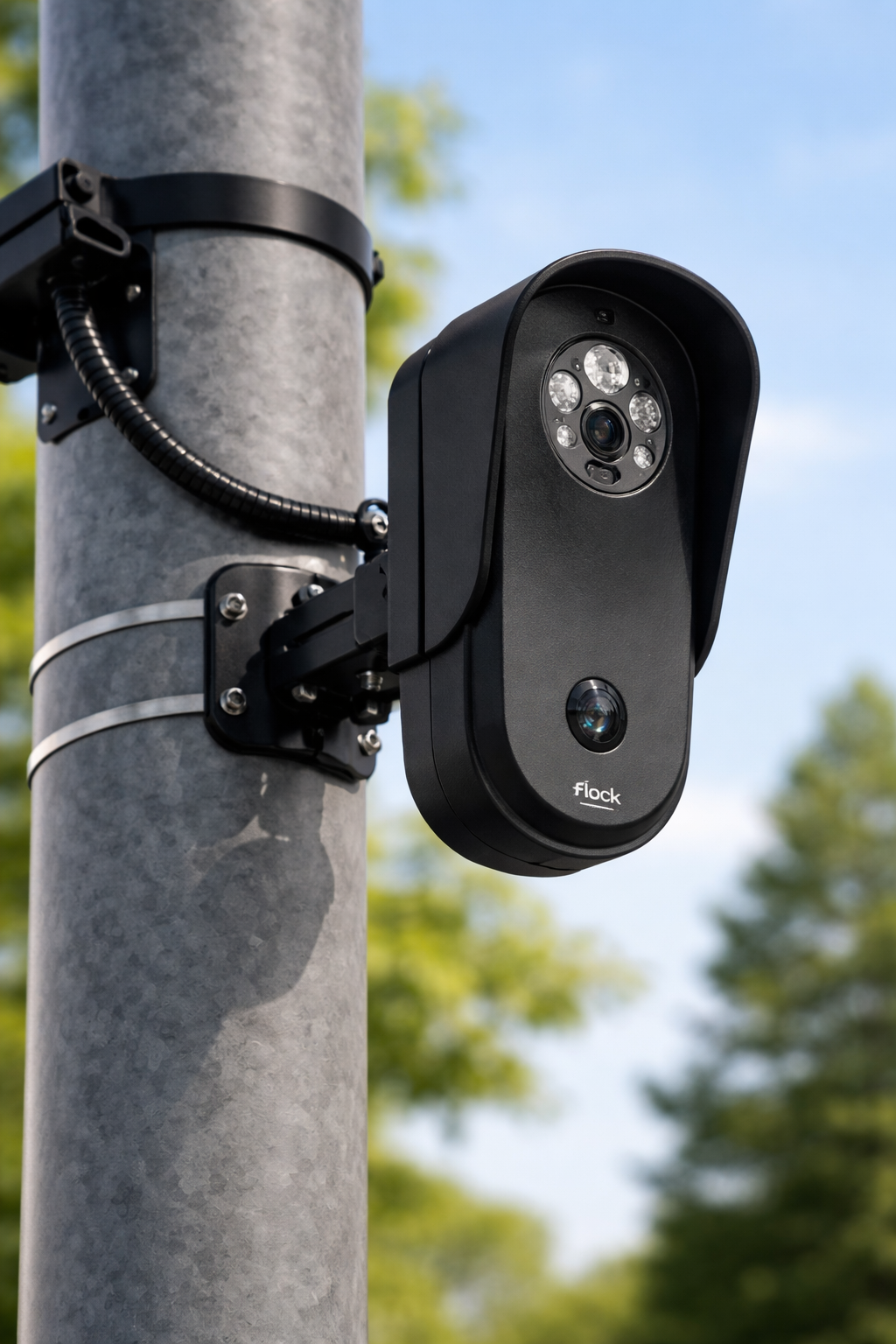
The Elk Grove City Council is poised to approve an expansion of its contract with Flock Group Inc. for automated license plate reader cameras, a move that comes amid mounting concerns over surveillance, data sharing and civil liberties.
The proposed agreement, scheduled for consideration at the council’s April 8 meeting, would increase the city’s contract with Flock by $194,100, bringing the total not-to-exceed amount to more than $1.63 million through April 2028.
City staff recommends approving the amendment without initiating a competitive bidding process, citing Flock’s integration with the Elk Grove Police Department’s existing systems and its role in ongoing investigations. According to the staff report, the system has become a “critical investigative and crime suppression tool,” aiding in stolen vehicle recovery, suspect identification and regional law enforcement coordination.
The technology captures images of passing vehicles, recording license plate numbers along with details such as vehicle make, model and color. That information is stored in a searchable database that can be accessed by authorized agencies.
While Elk Grove police officials emphasize the system’s public safety benefits, critics say the same features raise significant privacy risks.
A local advocacy group, Deflock Elkgrove, has mobilized opposition through social media, warning that the technology could enable federal immigration enforcement agencies to access local data. In a public statement, the group alleged that Flock’s system design could allow federal authorities, including Immigration and Customs Enforcement, to obtain information without the city’s knowledge, raising concerns about compliance with California laws restricting such cooperation.
The group also pointed to past security vulnerabilities, including reports of hacked accounts and unauthorized access to camera systems, as evidence that residents’ personal data could be at risk.
Concerns about the broader implications of automated license plate readers extend beyond Elk Grove. The Electronic Frontier Foundation has warned that such systems can be used to monitor lawful protests and political activity. In a 2025 analysis, the organization found that law enforcement agencies across the country conducted hundreds of searches tied to protest activity using Flock’s nationwide network, which aggregates data from thousands of jurisdictions.
Because the system collects data on every vehicle that passes a camera, critics argue it enables mass surveillance rather than targeted investigations. In many cases, searches were conducted with minimal justification, sometimes using only the word “protest” as a reason, according to the report.
Nationally, cities remain divided on whether to adopt or abandon the technology.
In Mountain View, city leaders voted earlier this year to terminate their contract with Flock following revelations that hundreds of outside agencies had accessed local data without proper authorization. Officials cited both privacy concerns and the need to safeguard civil liberties.
Conversely, Stockton recently approved a $3.15 million expansion of its agreement with Flock, including the addition of a police drone program, despite more than an hour of public opposition focused on surveillance and immigration enforcement fears.
A recent report by The Guardian highlighted similar debates nationwide, with some municipalities dismantling camera networks and others expanding them. In places like Dunwoody, Georgia, residents have raised concerns about data sharing, cybersecurity and the potential for misuse, particularly in cooperation with federal agencies.
Civil liberties advocates say the patchwork of policies underscores the lack of consistent safeguards governing the technology.
In Elk Grove, opponents argue the council should delay expansion of the program until an independent audit can determine whether the system complies with state law and adequately protects residents’ data. They have also criticized the city for placing the item on the consent calendar, a mechanism typically reserved for routine, noncontroversial matters.
Despite those concerns, the Mayor Singh-Allen and her city councilmen has consistently supported expanding surveillance in the city through initiatives proposed by the police department.
Even as a growing number of cities reconsider or abandon license plate reader programs amid concerns about privacy, data security and potential misuse, after hearing public comments, the Elk Grove City Council will approve the latest expansion of surveillance.