Delta Coalition Urges CA Water Board to Extend Public Comment Period on Updates Bay-Delta Plan
The coalition noted that the updated plan was released just one week before the holidays
The Delta Tribal Environmental Coalition (DTEC) on Friday formally requested that the State Water Resources Control Board grant a 60-day extension of the public comment period for the draft update to the San Francisco Bay-Delta Water Quality Control Plan (“Bay-Delta Plan”). The Coalition includes the Shingle Springs Band of Miwok Indians, Winnemem Wintu Tribe, Little Manila Rising, and Restore the Delta,
“The public comment period for the updated Bay-Delta Plan is currently scheduled to close on February 2, but advocates are urging the Board to allow additional time to review the extensive materials, which include 3,322 pages of draft regulatory text and updated environmental analysis across 13 separate documents. In its letter, the Coalition emphasizes that the Board’s current timeline does not provide Tribes and communities most affected by the Bay-Delta Plan with a meaningful opportunity to review and respond,” the coalition said in a statement.
The coalition noted that the updated plan was released just one week before the holidays, “an inequitable approach that effectively shortens the review period for advocates with limited staff and resources, while advantaging well-resourced water districts with greater capacity.”
The coalition said the Bay-Delta Plan is a critical rulemaking that will shape water quality, river flows, and ecosystem protections for California’s largest and most endangered estuary and watershed, ”necessitating adequate time and meaningful engagement from local stakeholders most impacted by the plan.”
In the letter, the coalition pointed out, “The timing of the release of these documents is in line with the Board’s pattern of releasing documents of significant importance during the holidays. For instance, earlier this year, the Board released a prior draft of Bay-Delta Plan documents, requesting comments and noticing hearings during a time when Delta Tribes were occupied with annual ceremony.”
“The Board has now reissued updated documents one week before the winter holidays,” the letter continued. “As the Board is aware, the December holidays are a time of celebration, and for many, a time when organizations and businesses close for the weeks of Christmas and the New Year. For instance, Shingle Springs Band and Restore the Delta will be closed for two weeks from December 22, 2025 to January 2, 2026, to allow time for family and reset ahead of the new year. Similarly, the Winnemem Wintu are not available until after the third week of January in the new year. The Board itself decided to cancel its last Board meeting of the year, on December 16, 2025. It is insensitive and disrespectful to Delta Tribes and community organizations to notice a major comment period during this time.”
You can read the letter in full here.
Representatives of Bay-Delta Tribes and advocates commented on the necessity to extend the comment period for the draft update on such a key environmental document.
"The Bay-Delta Plan is a complex and far-reaching document with rules that affect tribes, communities, and everyone else who depends on our rivers and Delta,” said Vice Chair Malissa Tayaba, Shingle Springs Band of Miwok Indians. “Unlike the entities that profit from water diversions, we do not have the capacity to quickly review the Plan, especially when the review period includes the upcoming holidays and tribal ceremonies. Meaningful review and analysis takes time, and the Water Board should grant our extension request."
“Just like the State Water Resources Control Board, spend 28 years updating a plan they're required by law to do every 3 years, then tell people they have to review all 3,122 pages over the Christmas and New Year holidays and submit their comments by mid-January,” quipped Gary Mulcahy, Government Liaison with the Winnemem Wintu Tribe. “The Grinch isn't even that heartless.”
Gloria Estefani Alonso Cruz, Environmental Justice Advocacy Coordinator, Little Manila Rising, agreed with Mulcahy and Tayaba.
”This holiday season, the long-awaited Bay-Delta Plan draft was released with limited time for public review, placing a real strain on community capacity and leaving many overwhelmed. Approving the extension request for public comment is the fair and reasonable response,” she stated.
Barbara Barrigan-Parrilla, Executive Director, Restore the Delta, stated, “Perhaps it is not a complete surprise that the State Water Resources Control Board would seek to rush community, environmental justice groups, and California Tribes through the comment period for this Bay-Delta Plan. After all, they have failed to resolve our Title VI complaint regarding disparate impacts and discrimination, and they are proposing ‘voluntary agreements’ negotiated in secret cutting us out— the most impacted parties.”
“We do not have a true water regulator in California. We have a Board that lobbies for the tunnel and cutting the public out of planning processes. They work for special interest water districts at the expense of the people and the environment we all depend on for survival,” Barrigan-Parrilla concluded.
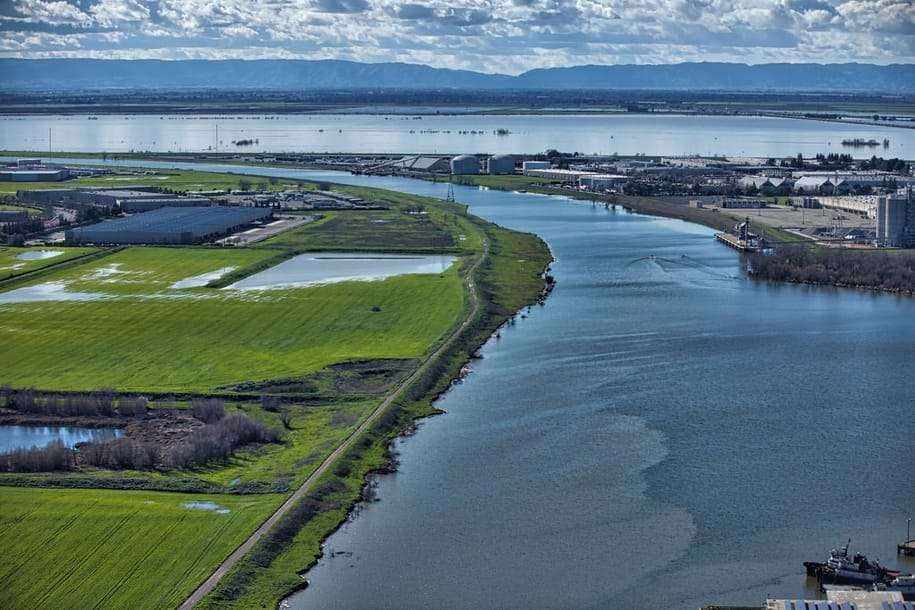
The letter was sent as the Sacramento-San Joaquin River Delta is in biggest-ever ecological crisis. While the salmon returns to the Sacramento River and its tributaries have been better this year than during the previous two years, the improved returns come after unprecedented three year closure of the commercial salmon fishery off the California coast and the third year of a complete closure of the main stem Sacramento to recreational fishing, due to the collapse of the Sacramento fall-run Chinook salmon population.
Meanwhile, the Delta smelt, an indicator species that was once the most abundant fish in the estuary, has become functionally extinct in the wild. The California Department of Fish and Wildlife has found not a single Delta smelt in its Fall Midwater Trawl survey throughout the Delta in 7 years: apps.wildlife.ca.gov/...
While a number of factors have contributed to the demise of the smelt, salmon and other Bay-Delta fish populations in recent years, no factor is more central than the export of mass quantities of water from the Delta to corporate agribusiness and Southern California water agencies.