After 20 Years of Delays, Elk Grove Revives Plan for New Highway 99 Interchange
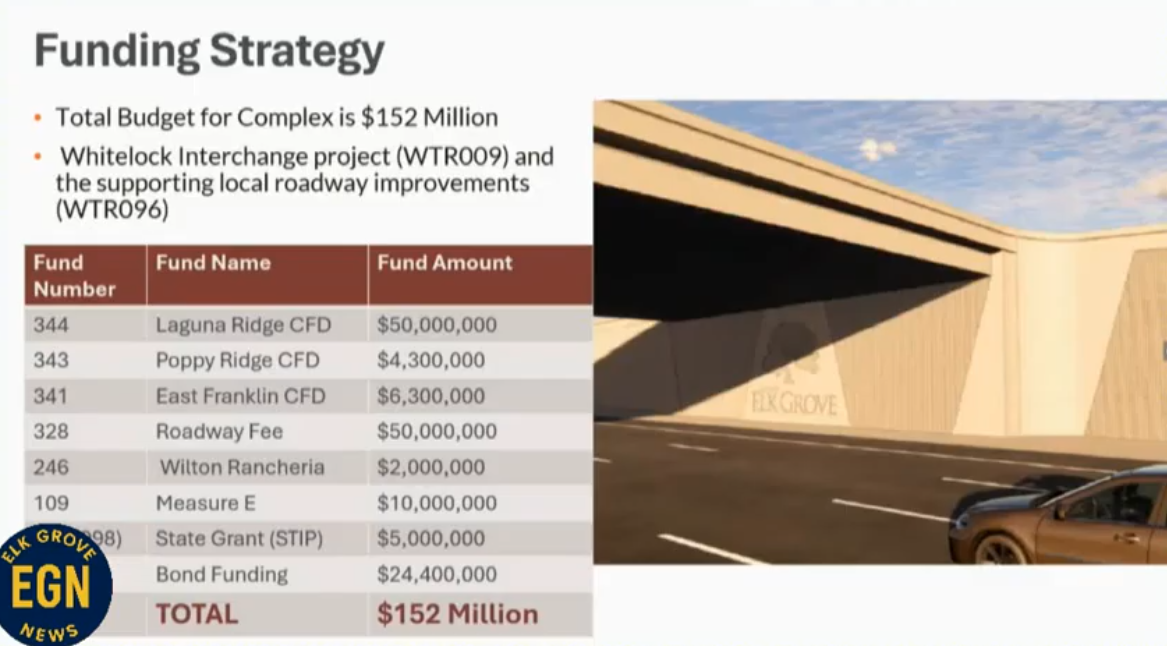
The $152 million cost is primarily being paid by Elk Grove taxpayers

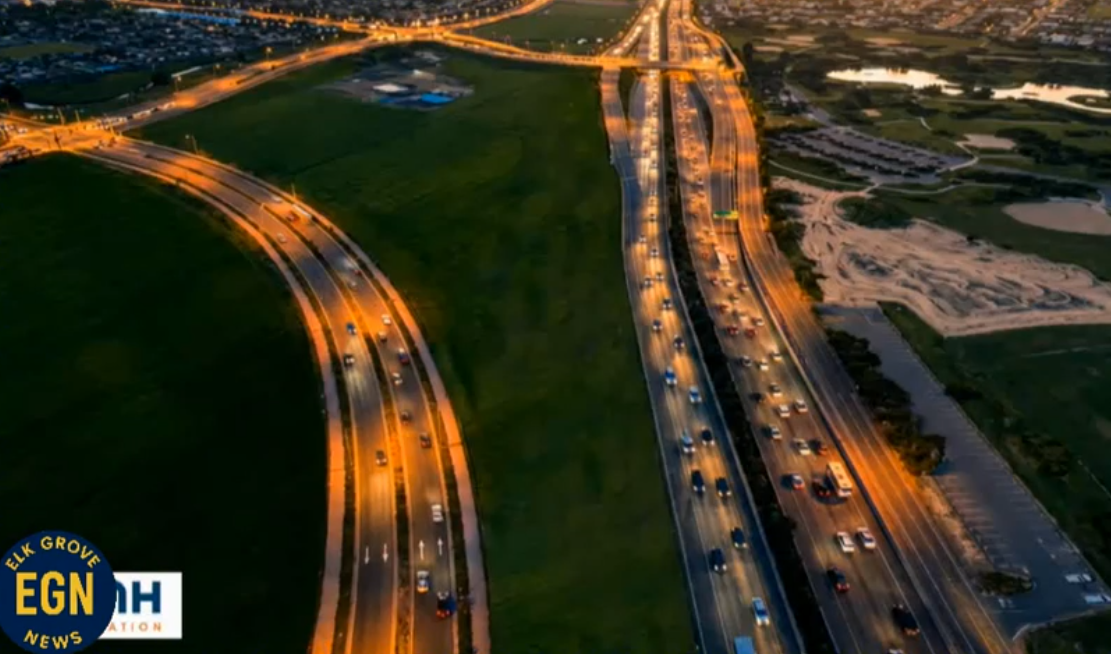
City officials are moving forward with plans for a long-discussed interchange connecting Whitelock Parkway to State Route 99, a project city staff say is needed to address increasing traffic and support rapid growth in southwest Elk Grove.
During the March 11 Elk Grove City Council meeting, Capital Programs Manager Christina Castro presented an update on the proposed Whitelock Parkway interchange, describing it as a key transportation investment to improve mobility and relieve growing traffic congestion in the area.
Castro said travel times from neighborhoods west of Elk Grove Boulevard to the freeway have steadily worsened in recent years, particularly for drivers attempting to reach the northbound on-ramp near East Stockton Boulevard.
“As many residents have likely experienced, travel time from the west side of Elk Grove Boulevard to the freeway on-ramps have steadily increased,” Castro told the council. “These delays will continue to grow as development progresses in Laguna Ridge and the Southeast Policy Area.”
More than 1,000 new homes and additional commercial development are planned for the area south of Elk Grove Boulevard, making additional freeway access increasingly necessary, Castro said.
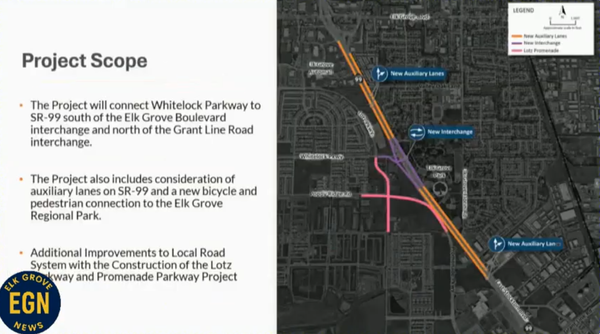
The proposed project would create a new interchange between the existing Elk Grove Boulevard interchange to the north and the Grant Line Road interchange to the south. The design currently favored by engineers is a “tight diamond” interchange configuration, which staff said offered the best balance of traffic operations, safety, cost, and right-of-way impacts after evaluating multiple alternatives.
In addition to vehicle access, the project would include pedestrian and bicycle connections linking neighborhoods west of Highway 99 to Elk Grove Regional Park and the Elk Grove Historical Society area. Castro said the project team slightly shifted the interchange alignment south to avoid impacts to historic structures near the park.
City officials also emphasized the broader transportation network improvements tied to the interchange project. Planned roadway changes include extending Promenade Parkway westward and completing connections with the future Lotz Parkway and Poppy Ridge Road, creating additional north–south routes in the growing area.
Castro said the city recently selected WHA Corporation to assist with advancing the project design and environmental work. The firm’s project manager, Carl Gibson, previously worked on earlier planning studies for the interchange and has more than 27 years of experience designing highway and interchange projects.
The project timeline calls for environmental clearance by 2028, followed by right-of-way acquisition in 2029 and construction beginning in 2030.
Originally, the city considered pursuing federal funding for the project, but officials decided to shift to local funding sources after reevaluating priorities following last year's collapse of Mayor Bobbie Singh-Allen's multi-hundred-million-dollar proposed Sacramento Zoo relocation to Elk Grove.
Because the interchange primarily serves local residents rather than regional travel, Castro said it would likely face strong competition for federal transportation grants. Using local funding allows the project to move forward under California’s environmental review process rather than the more complex federal review requirements.
City staff identified 10 potential funding sources that could cover the project costs without affecting the city’s current service levels, Castro said.
The council received the report without taking formal action but generally expressed support for the long-delayed project.
Vice Mayor Darren Suen noted that the interchange has been discussed for decades and said he had examined the project long before joining the council.
“It’s been 20 years,” Suen said. “When I was in the private sector, I commissioned an engineer to look at this, and here we are.”
Suen also questioned whether alternative designs, such as a roundabout had been reconsidered but acknowledged the city’s efforts to balance traffic operations, cost, and right-of-way impacts.